AC Repair Near Me: When to Troubleshoot and When to Call a Professional
Kevin Allen
Co-Founder & Service Lead

Navigating Sudden AC Failures During Peak Heat
Your air conditioner is running continuously, but the vents are blowing warm air and the indoor temperature simply refuses to drop. At AirWorks Heating Air Plumbing, we know that facing a sudden equipment failure during the summer peak cooling season forces a fast decision on how to restore your home's comfort. Searching for reliable home maintenance tips and troubleshooting strategies is a smart first step, but knowing exactly where safe homeowner checks end and professional diagnostics begin is critical. Guessing at the root cause of an HVAC malfunction can lead to unnecessary damage, safety risks, or entirely voided warranties.
If you need immediate assistance, explore our air conditioning services or schedule emergency AC repair to restore your system's performance quickly and safely.
Safe Homeowner Checks: Addressing Restricted Airflow
Restricted airflow is one of the most common culprits behind an underperforming air conditioner. When air cannot move freely across the indoor evaporator coil, the system loses its ability to absorb heat. This causes the coil's temperature to drop below freezing, eventually turning the indoor unit into a block of ice. Simultaneously, the outdoor compressor works overtime to compensate, often resulting in thermal overload.
According to data from the U.S. Department of Energy, replacing a dirty, clogged filter with a clean one can lower an air conditioner's energy consumption by 5% to 15%. In our years of servicing local homes, we've found this is especially relevant for homeowners in Somis CA, where the dry, dusty summer conditions accelerate filter clogging far beyond national averages. High airborne particulate levels mean your filter is trapping more debris in a shorter amount of time, directly impacting your indoor air quality and system efficiency.
The indoor check: Locate your air filter, which is typically housed in the return air grille on the wall, ceiling, or directly next to the air handler. Pull the filter out and hold it up to a light source. If you cannot see light passing through the media, it is time for a replacement. Make sure the arrow on the new filter points toward the equipment, indicating the correct direction of airflow.
The outdoor check: The outdoor condenser unit requires unrestricted airflow to successfully reject the heat gathered from inside your home. Inspect the area around the metal cabinet. Clear away any overgrown brush, tall grass, or accumulated debris. The system needs at least two feet of clearance on all sides to operate efficiently. We always warn our customers: attempting to wash the delicate aluminum fins yourself with a high-pressure hose can bend them, further restricting airflow, so stick to clearing loose debris only.
Electrical Basics: Evaluating Thermostats and Circuit Breakers
When an air conditioning system refuses to power up at all, the issue often stems from a disruption in the electrical control circuit. Before assuming the worst, our team recommends a few surface-level electrical checks you can safely perform. If you are unsure what to check if your AC is not turning on, follow this systematic approach to rule out simple power interruptions.
- Verify the thermostat settings: Ensure the thermostat is set explicitly to "Cool" mode and the temperature setpoint is at least five degrees below the current room temperature. If the screen is blank, replace the batteries. Note that many modern thermostats have a built-in five-minute time delay to protect the compressor from short-cycling. Wait a few minutes after adjusting the temperature to see if the system engages.
- Check the fan setting: Toggle the fan switch from "Auto" to "On." If you hear the indoor blower motor engage and feel air moving from the vents, you know the indoor unit is receiving power, which isolates the problem to the outdoor condenser or the communication wire.
- Inspect the main electrical panel: Locate your home's breaker box and look for the dedicated HVAC breakers. A tripped breaker will not always rest in the "Off" position; it often sits in the middle. To reset it safely, firmly push the breaker completely to the "Off" position, wait a few seconds, and then push it to "On."
- Monitor for immediate tripping: If the breaker trips again immediately upon startup, stop. Do not reset it a second time. A breaker that continuously trips is doing its job by protecting your home from a severe electrical short or a grounded compressor. Forcing it to stay on can cause an electrical fire.
The Professional Boundary: Refrigerant and High-Voltage Systems
Once you have confirmed a clean air filter, correct thermostat settings, and active breakers, you have reached the limit of safe homeowner troubleshooting. Modern central air conditioners utilize high-voltage electricity and pressurized chemicals that require specialized training to handle safely. Our technicians at AirWorks Heating Air Plumbing have seen firsthand how crossing this boundary not only puts your physical safety at risk but also violates federal regulations.
Under Section 608 of the Clean Air Act, only technicians certified by the Environmental Protection Agency (EPA) are legally permitted to handle, recover, or charge refrigerants. An air conditioning system is a closed loop; it does not "consume" refrigerant over time. If the system is low on charge, there is a leak that must be located and brazed shut. Symptoms of a refrigerant leak include a faint hissing sound near the indoor coil, ice buildup on the copper refrigerant lines, and a noticeable drop in cooling capacity during the summer peak cooling season.
Similarly, the electrical components housed inside the outdoor condenser carry lethal amounts of voltage. Attempting to test contactors, relays, or fan motors without proper electrical safety gear and a multimeter can result in severe injury.
Why Capacitors Fail Under Load
A pattern we see often during peak July heatwaves is the failure of the dual run capacitor. This component acts like a powerful battery, storing high-voltage electricity to send a massive jolt of energy to the compressor and fan motor during startup. Extreme heat stress degrades the internal chemical insulation of the capacitor over time. When a capacitor fails, you will often hear a rapid clicking sound or a loud humming noise from the outdoor unit, followed by silence as the motor overheats and shuts down. Because capacitors retain a lethal electrical charge even after the main power is disconnected, they must only be tested and replaced by a trained professional.

What to Expect from a Comprehensive AC Diagnostic
When basic troubleshooting does not resolve the issue, bringing in an expert ensures the root cause is correctly identified. A professional AC diagnostic and testing appointment looks very different from a quick visual inspection. Our certified technicians rely on objective measurements rather than guesswork to determine exactly why a system is failing.
During a thorough diagnostic in Somis CA, our team will deploy digital manifolds to measure the precise pressures and temperatures of the refrigerant cycle. We calculate subcooling and superheat metrics to determine if the system is properly charged or if the metering device is failing. Using a digital multimeter, we test the microfarad rating of the capacitor and measure the exact amp draw of the compressor motor against the manufacturer's specifications.
| Diagnostic Approach | Methodology | Outcome for Homeowner |
|---|---|---|
| Data-Driven Diagnostic | Uses multimeters, psychrometers, and digital gauges to measure voltage, airflow, and refrigerant pressure. | Pinpoints the exact failing component. Prevents unnecessary part replacements. |
| Parts-Changing Guesswork | Relies on visual inspection and swapping parts based on symptoms rather than measured data. | Often leads to repeat breakdowns, wasted money, and unresolved underlying issues. |
This data-driven approach separates a true repair from a temporary patch. By measuring the temperature drop across the indoor coil and evaluating the static pressure of the ductwork, a professional can tell you exactly how efficiently your system is moving heat out of your home.
How Heat Stress Accelerates System Failure
To understand why air conditioners break down, it helps to understand the physical toll of extreme weather. An air conditioner does not actually create cold air; it absorbs heat from inside your home and pumps it outside. This process relies on a temperature differential. When peak July heat forces ambient outdoor temperatures into the upper 90s or beyond, the system struggles to release that captured heat into the already-hot outdoor air.
This environmental resistance forces the compressor to work harder, running at maximum capacity for extended periods. Continuous operation under these conditions leads to thermal overload. The electrical windings inside the compressor motor generate immense heat, which degrades the internal insulation. If the outdoor condenser coil is coated in a layer of dust or yard debris, the heat transfer process is further crippled, compounding the strain on the motor.
In our experience responding to hundreds of emergency calls during the summer peak cooling season, this compounding heat stress is the primary catalyst for sudden failures. The electrical components that start and run the motors—specifically capacitors and contactors—take the brunt of the damage. Proactive maintenance before the hottest months arrive is the only reliable way to ensure the system's heat-rejection capabilities are optimized, reducing the electrical strain on the entire system.
Vetting Reliable Local Technicians for Urgent Repairs
When your system fails during a heatwave, the urgency to get it fixed can lead to hasty decisions. However, choosing the right local contractor is vital to ensuring the repair is handled safely and correctly. You want a company that values transparency, proper credentialing, and clear communication.
First, verify that the company holds the appropriate state licenses and carries adequate liability insurance. In California, this means checking their standing with the Contractors State License Board (CSLB). Second, look for a team that employs NATE-certified (North American Technician Excellence) or EPA-certified technicians. These certifications indicate that the technician has passed rigorous, industry-standard exams regarding HVAC repair and refrigerant handling.
Finally, prioritize responsiveness. A reputable company will provide clear expectations regarding dispatch times and diagnostic processes. If you are searching for reliable AC repair in Somis, our certified HVAC technicians at AirWorks Heating Air Plumbing offer rapid emergency response times to ensure you are never left waiting in the heat. Our team arrives equipped with the diagnostic tools necessary to locate the exact point of failure and provide a clear, upfront solution.
Frequently Asked Questions About AC Troubleshooting
What to check before calling an AC repairman?
We always tell our customers to start by verifying that your thermostat is set to cool and has fresh batteries. Next, check your air filter; a completely clogged filter will stop the system from cooling entirely. Finally, ensure the HVAC circuit breakers in your main electrical panel have not tripped. If these three elements are functioning normally, the issue requires professional diagnostics.
Why is my AC running but not cooling?
An air conditioner that runs without lowering the room temperature usually suffers from restricted airflow or a refrigerant leak. A dirty evaporator coil or a clogged filter prevents the system from absorbing indoor heat. Alternatively, low refrigerant levels mean the system lacks the chemical capacity to transfer heat, which must be addressed by an EPA-certified technician.
How do you reset an air conditioner safely?
To safely reset the system, turn the thermostat to the "Off" position. Locate your home's main electrical panel and find the breaker labeled for the AC or HVAC system. Flip the breaker firmly to the "Off" position, wait one full minute, and then flip it back to "On" before restoring the thermostat settings.
At what point should I call an HVAC professional?
You should contact a professional immediately if you hear grinding or rapid clicking noises, smell burning plastic, or notice ice forming on the copper refrigerant lines. Additionally, if you have replaced your filter and checked your breakers during the summer peak cooling season but the house remains warm, it is time for an expert evaluation.
Why do AC capacitors fail during peak heat?
Capacitors fail because excessive heat degrades the chemical insulation inside the component. During peak heat waves, the air conditioner cycles on and off more frequently, forcing the capacitor to deliver high-voltage jolts repeatedly. This constant electrical strain, combined with high ambient outdoor temperatures, causes the component to swell, leak, or lose its ability to hold a charge.
How does a clogged filter affect my AC compressor?
A clogged filter drastically reduces the volume of air moving over the indoor coil, which disrupts the entire heat transfer process. Because the system cannot absorb heat, the refrigerant returning to the outdoor compressor is too cold, sometimes remaining in a liquid state. This "liquid slugging" can permanently destroy the compressor's internal valves and motor.
Making the Right Call for Your Comfort and Safety
While replacing air filters and checking breaker panels are straightforward fixes, complex electrical and refrigerant failures demand expert analysis. Relying on a structured, data-driven diagnostic provides a definitive path to restoring your home's cooling capacity without the risks of guesswork. If your system is struggling during the summer peak cooling season, do not wait for a complete breakdown. Schedule an inspection with our certified local professionals at AirWorks Heating Air Plumbing to secure your comfort and protect your equipment.
About the Author
Kevin Allen
Co-Founder & Service Lead
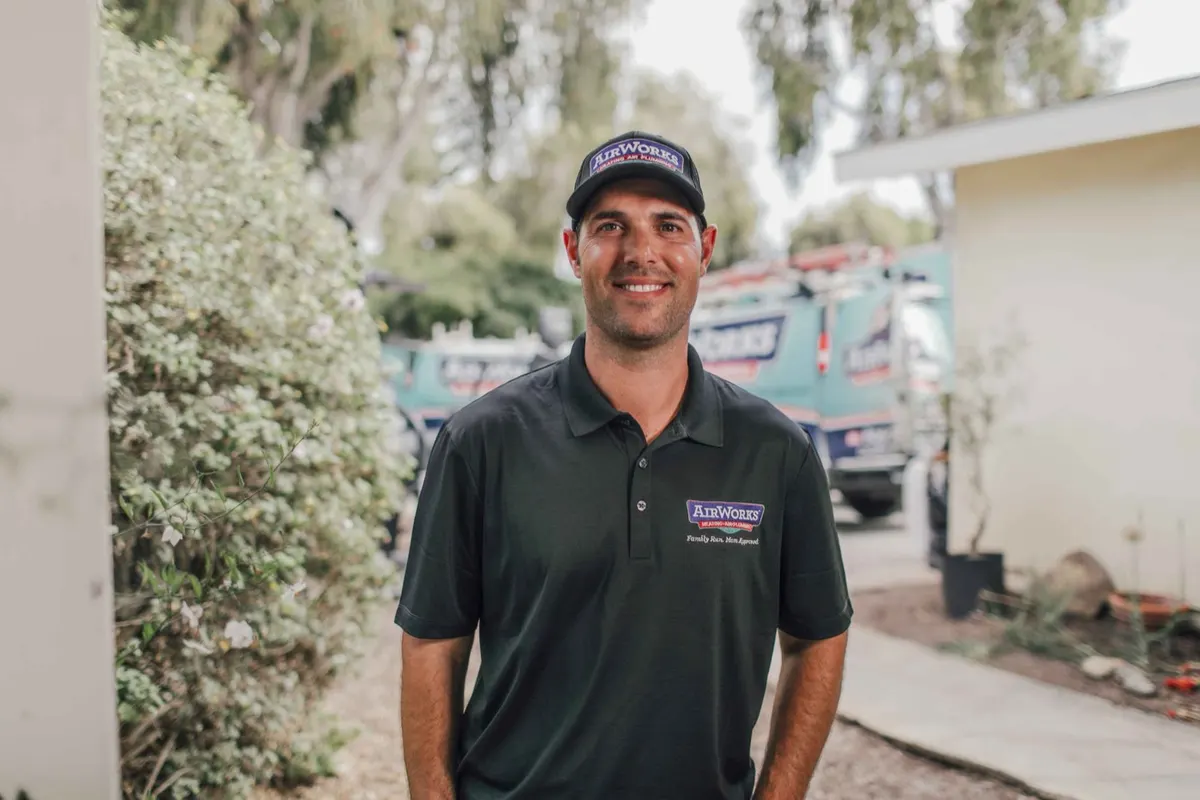
Co-founded AirWorks in 2010 and has worked in Ventura County HVAC since 2002. Leads the service and installation crews — and the fix-what's-actually-broken ethic the company was built on.
Need Help?
Contact us today to discuss your needs. Our team is ready to help.
Related Articles
Options Comparisons for Homeowners: Heat Pump vs. Gas Furnace
Read Options Comparisons for Homeowners: Heat Pump vs. Gas FurnaceWhy Is Your Air Conditioner Hissing When Off? Causes and Diagnostics
Read Why Is Your Air Conditioner Hissing When Off? Causes and DiagnosticsHeat Pump vs. Gas Furnace: Technical Options Comparisons for Homeowners
Read Heat Pump vs. Gas Furnace: Technical Options Comparisons for HomeownersReady to Get Started?
Whether you need a repair, maintenance, or a new installation, our expert team is here to help.