The Essential Summer HVAC Maintenance Checklist: Troubleshooting Your AC When It's Not Cooling
Kevin Allen
Co-Founder & Service Lead

Preparing Your HVAC System for the Peak Summer Heat
July heat is officially here, and executing a thorough seasonal home maintenance checklist is the single best way to ensure your air conditioner survives the soaring temperatures. Here at AirWorks Heating Air Plumbing, we've seen firsthand how summer in the valley brings intense, relentless heat waves that push residential cooling systems to their absolute limits. If your air conditioner has been sitting mostly idle or running on low demand over the past few months, suddenly demanding it to run continuously in 90-degree-plus weather is a recipe for a sudden breakdown. The Spring-to-Summer Transition is the most critical window for your cooling equipment. Missing this window often leads to emergency service calls on the hottest day of the year.
Taking a systematic, preventative approach to your cooling system ensures longevity and reliable comfort. Basic troubleshooting and routine checks can resolve minor airflow issues before they spiral into total compressor failure. By following a structured process, you can identify exactly what your system needs to run efficiently all season long. If you want to explore professional support to keep your system running smoothly, our comprehensive Air Conditioning Services provide everything you need. Should you uncover a major issue that requires immediate attention, you can always rely on our fast Emergency AC Repair to restore your home's comfort.
How Dry, Dusty Climates Impact Your Air Conditioner
Standard home maintenance guides often overlook the specific environmental challenges of Ventura County. In our years serving Somis and the surrounding communities, our team typically sees how our hot, dry summer climate dramatically increases the amount of airborne dust, pollen, and dry particulate matter floating around your property. When your air conditioner runs continuously to combat the local heatwaves, it pulls an enormous volume of this dusty air through its intake systems. Without a deeper inspection during the Spring-to-Summer Transition, this regional dust accelerates wear and tear on critical HVAC components.
The problem: Airborne dust bypasses older or improperly fitted filters, settling directly onto the indoor evaporator coil and the blower motor. Simultaneously, dry debris and dirt coat the outdoor condenser coil.
The cause: Because local heatwaves force AC units to run almost continuously, the system never gets a break. The constant suction acts like a vacuum for outdoor and indoor particulates.
The solution: A rigorous preventative approach that goes beyond generic advice. Standard 90-day maintenance schedules are simply not enough for dry, dusty climates.
| HVAC Component | The Impact of Dust Buildup | Consequence During Peak Heat |
|---|---|---|
| Evaporator Coil (Indoor) | Acts as an insulator, preventing heat absorption from the air. | Coil freezes over; system blows warm air or shuts down entirely. |
| Condenser Coil (Outdoor) | Blocks heat from exhausting into the outside air. | Compressor overheats, leading to sudden and expensive failure. |
| Blower Motor | Coats the motor bearings and fan blades, adding weight and friction. | Motor burns out prematurely; airflow through vents drops significantly. |
Recognizing how this specific climate impacts your equipment during the Spring-to-Summer Transition is the first step in preventing peak-season breakdowns.
Step 1: Inspecting and Replacing Your Air Filters
The most critical and straightforward DIY troubleshooting step for an AC that isn't cooling properly is checking the air filter. A dirty, clogged filter acts like a wall, severely restricting the airflow your system desperately needs. When airflow drops, the indoor evaporator coil gets too cold because there isn't enough warm house air blowing over it to absorb the cooling energy. The condensation on the coil freezes into a solid block of ice, stopping the cooling process entirely. According to the U.S. Department of Energy, replacing a dirty, clogged filter with a clean one lowers a system's energy consumption by 5% to 15%.
Because of our regional dust, our technicians stress that you cannot rely on the packaging that claims a filter lasts for three months. During the Spring-to-Summer Transition and throughout the peak season, you must check your filters every 30 days.
How to Safely Check Your HVAC Filter
If you suspect your system is struggling, follow these steps to inspect and replace your filter correctly:
- Turn off the power: Always turn the system off at the thermostat before opening the filter cabinet. This prevents the blower motor from sucking loose dust or debris directly into the system while the slot is empty.
- Perform the light test: Remove the current filter and hold it up to a bright light or a sunny window. If you cannot see light shining through the material, the filter is clogged and must go in the trash.
- Check the airflow direction: When inserting the new filter, look for the printed arrow on the cardboard frame. This arrow must always point toward the blower motor (the direction the air is flowing), not away from it.
- Secure the cover: Ensure the filter slot cover is tightly closed so the system doesn't pull unconditioned, unfiltered air from the attic or garage into your home.
Step 2: Clearing Debris Around the Outdoor Condenser
Your outdoor unit, known as the condenser, has one primary job: exhausting the heat that was removed from your home into the outside air. If the condenser cannot breathe, the heat stays trapped in the refrigerant cycle, and your house stays warm. During the Spring-to-Summer Transition, our installers and service techs frequently find outdoor units choked by overgrown bushes, dried leaves, and wind-blown trash.
For the condenser to function efficiently, it requires an absolute minimum of two feet of clear, unobstructed space on all sides, plus at least five feet of clearance above it. When airflow is blocked, the compressor has to work twice as hard, drawing more electricity and running dangerously hot.
To clear the area safely, start by turning off the power to the outdoor unit at the exterior disconnect box. Carefully rake away dead leaves, twigs, and dry grass from the base of the unit. Trim back any shrubs or low-hanging branches that have encroached on the two-foot clearance zone. If you see debris stuck to the delicate metal fins on the sides of the unit, use a soft-bristled brush or a shop vacuum with a brush attachment to gently pull the dirt away. Never use a pressure washer or a hard tool, as the aluminum fins bend very easily. Bent fins block airflow just as badly as a thick layer of dirt.


Step 3: Thermostat Calibration and Airflow Testing
Sometimes the air conditioner is running, but the house simply isn't cooling down. Before assuming the worst, you need to troubleshoot the basic electrical and control settings. A pattern we see often on emergency calls in Somis is that the issue can be resolved by simply adjusting the thermostat. During the Spring-to-Summer Transition, verify that the system is actually set to "Cool" and that the temperature setpoint is lower than the current room temperature.
Next, check the fan setting. The fan switch should almost always be set to "Auto" rather than "On." When set to "On," the blower motor runs continuously 24/7, even when the outdoor compressor isn't actively cooling the air. This means the system will blow unconditioned, warm air through your vents between cooling cycles, making the house feel humid and uncomfortable. If you are wondering Why is my AC running but not cooling?, a fan set to "On" is a very common culprit we encounter in the field.
If the thermostat is set correctly but the unit won't turn on at all, check your main electrical panel. A tripped breaker is a common safety response to a power surge or an overworked motor. You can reset the breaker once. However, if it trips again immediately or later the same day, stop resetting it. A repeatedly tripping breaker indicates a serious electrical short or a failing compressor that requires immediate professional diagnostics. Finally, if the system is running, hold your hand over a supply vent. The air should feel noticeably colder than the room temperature. If the air is lukewarm, the system is moving air but the refrigerant cycle is not functioning.
Step 4: Evaluating Vents, Registers, and Indoor Air Quality
Your HVAC system relies on a delicate balance of air pressure to function efficiently. The blower motor pushes cold air out through the supply vents and pulls warm air back in through the return registers. If this distribution system is restricted, the entire cooling process breaks down. As part of your Spring-to-Summer Transition checklist, take ten minutes to walk through every room in your home and inspect the vents.
Ensure that all supply registers are fully open. A common myth we constantly have to debunk for homeowners is that closing vents in unused guest rooms or storage areas saves energy. In reality, modern HVAC systems are sized to condition the entire square footage of the house. Closing vents increases the static pressure inside the ductwork, forcing the blower motor to strain against the resistance. This strain leads to premature motor failure, increased energy bills, and frozen evaporator coils.
Additionally, look for furniture, heavy curtains, or area rugs blocking the return air grilles. The system cannot push cold air into a room if it cannot pull the existing warm air out. Proper, unrestricted airflow is also the foundation of good indoor air quality. When air circulates freely, it passes through the filter more frequently, trapping the airborne dust and allergens that peak during the dry summer months. Keeping your vents open and clear ensures your home stays both cool and breathable.
Knowing Your Limits: When to Call a Professional for AC Issues
While preventative maintenance is essential for system longevity, our team at AirWorks Heating Air Plumbing emphasizes that there is a hard line between safe DIY tasks and dangerous technical work. As a homeowner, your DIY efforts should be strictly limited to managing airflow (changing filters, opening vents) and clearing exterior debris. Any work involving the refrigerant cycle, the sealed compressor, or the high-voltage electrical components requires a licensed professional. Attempting to handle these systems yourself is not only dangerous, but it also voids manufacturer warranties and violates local building codes.
You must recognize the warning signs that indicate a serious issue beyond basic troubleshooting. If you hear loud hissing or bubbling noises near the indoor or outdoor unit, you likely have a refrigerant leak. Refrigerant is a controlled chemical that requires specialized gauges to measure and repair. If the air coming from your vents remains warm even after you have changed the filter and verified the thermostat settings, the compressor may be failing. If you experience repeated breaker trips, you have a high-voltage short that poses a significant fire hazard.
When these symptoms appear during the Spring-to-Summer Transition, prompt intervention is critical. Ignoring these warning signs usually results in total compressor failure. Fortunately, working with trusted local HVAC experts means you have access to fast emergency repairs when DIY troubleshooting isn't enough to solve the problem. A trained technician will safely diagnose the root cause and restore your cooling before the house becomes dangerously hot.
| Maintenance Task | Safe for Homeowners? | Why Professional Service is Needed |
|---|---|---|
| Replacing Air Filters | Yes | N/A - Safe to do every 30 days. |
| Clearing Condenser Debris | Yes | N/A - Safe as long as power is disconnected. |
| Checking Refrigerant Levels | No | Requires EPA certification and specialized pressure gauges. |
| Testing Electrical Capacitors | No | High voltage risk; capacitors store lethal charges even when off. |
| Cleaning Evaporator Coils | No | Requires accessing the sealed plenum and using chemical cleaners safely. |
Signs It's Time for a System Upgrade
Sometimes, professional repairs are no longer the most cost-effective solution. If your system experiences frequent breakdowns despite regular maintenance, the internal components are likely reaching the end of their lifespan. If the air conditioner constantly struggles to keep up with peak July heat, running from dawn until dusk without ever reaching your set temperature, the unit is either severely undersized or losing compression. When repair bills become a recurring seasonal expense, discussing replacement options with a professional is the smartest financial move. A thorough AC Inspection and Testing can give you a definitive answer on the remaining lifespan of your equipment.
Frequently Asked Questions About Summer AC Maintenance
What AC maintenance can I do myself?
You can safely handle all basic airflow and exterior clearance tasks. This includes changing your indoor air filters every 30 days, keeping the outdoor condenser clear of leaves and debris, ensuring all indoor vents are open and unblocked, and verifying your thermostat settings. Any task requiring tools to open sealed electrical or refrigerant panels must be left to a professional.
How do I prepare my AC for a heatwave?
The best preparation is completing a full Spring-to-Summer Transition checklist before the extreme temperatures arrive. Start by installing a brand-new air filter, clearing a two-foot perimeter around your outdoor unit, and testing the system by running it during the cooler morning hours to ensure the air blowing from the vents is ice cold. If you notice any hesitation or warm air, schedule a professional tune-up immediately.
Why is my AC running but not cooling?
This usually points to a severe airflow restriction, a refrigerant leak, or a tripped outdoor breaker. First, check that your thermostat fan is set to "Auto" rather than "On," and replace your air filter if it is clogged. If those DIY steps don't fix the issue, the system likely has a frozen evaporator coil or low refrigerant, which requires a licensed technician to resolve.
What is a good home maintenance schedule for summer?
A proactive summer schedule revolves around monthly, rather than quarterly, check-ins. Inspect your HVAC filter on the first of every month, walk the perimeter of your home to clear new debris away from the condenser bi-weekly, and visually inspect your indoor vents to ensure furniture hasn't been moved over them.
How often should I check my AC filter in summer?
You should check your air filter every 30 days during the peak summer season. Because local dry, dusty climates introduce a high volume of airborne particulates, filters clog much faster when the system is running continuously to combat the heat. A clogged filter is the leading cause of preventable summer breakdowns.
When should I stop troubleshooting my AC and call a professional?
You should call a professional immediately if you hear hissing noises, smell burning plastic, notice the system repeatedly tripping your circuit breaker, or if the system continues to blow warm air after you have changed the filter and checked the thermostat. These are signs of electrical or refrigerant failures that are unsafe for DIY repair.
Ensure Reliable Comfort Before the Next Heatwave Hits
Completing a comprehensive seasonal home maintenance checklist is the most effective way to protect your investment and ensure your family's comfort. By taking the Spring-to-Summer Transition seriously, you drastically reduce the risk of a catastrophic failure during the hottest weeks of the year. A structured, technical approach to airflow management and exterior clearance keeps your system running at peak efficiency, saving you money on monthly energy bills while extending the lifespan of the equipment.
However, if your DIY troubleshooting uncovers a deeper issue, or if your system simply cannot keep up with the rising temperatures, don't wait for a total breakdown. Reach out to our professional team at AirWorks Heating Air Plumbing to evaluate your equipment, and if your aging system is beyond repair, exploring a modern AC Replacement will guarantee reliable, efficient cooling for years to come.
About the Author
Kevin Allen
Co-Founder & Service Lead
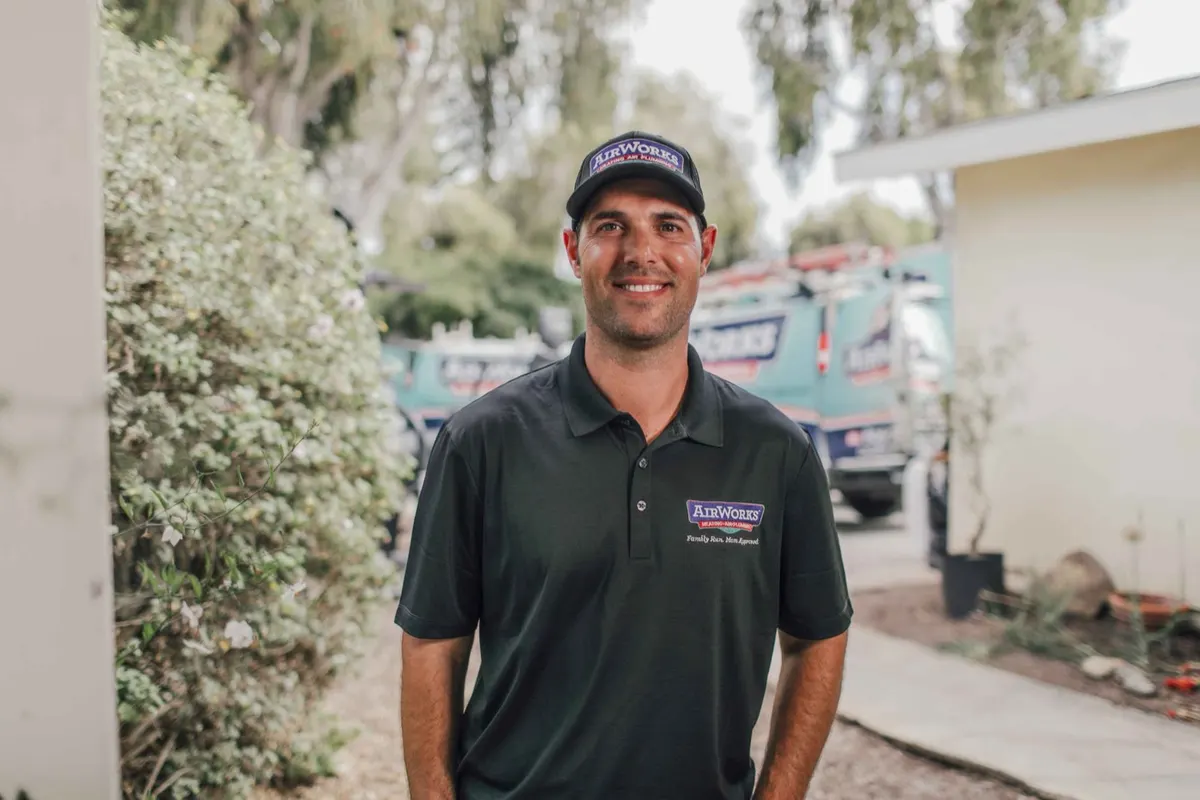
Co-founded AirWorks in 2010 and has worked in Ventura County HVAC since 2002. Leads the service and installation crews — and the fix-what's-actually-broken ethic the company was built on.
Need Help?
Contact us today to discuss your needs. Our team is ready to help.
Related Articles
Options Comparisons for Homeowners: Heat Pump vs. Gas Furnace
Read Options Comparisons for Homeowners: Heat Pump vs. Gas FurnaceWhy Is Your Air Conditioner Hissing When Off? Causes and Diagnostics
Read Why Is Your Air Conditioner Hissing When Off? Causes and DiagnosticsHeat Pump vs. Gas Furnace: Technical Options Comparisons for Homeowners
Read Heat Pump vs. Gas Furnace: Technical Options Comparisons for HomeownersReady to Get Started?
Whether you need a repair, maintenance, or a new installation, our expert team is here to help.