What Should Be on Your Seasonal Home Maintenance Checklist for September?
Kevin Allen
Co-Founder & Service Lead

What Should Be on Your September Seasonal Home Maintenance Checklist?
Are you certain your home is truly ready for the shift in temperatures, or is your HVAC system secretly carrying the hidden toll of a long, hot summer? When building your seasonal home maintenance checklist for the upcoming months, the most critical step you can take is managing the transition from heavy cooling to fall heating. In our years of serving the Somis area, the team at AirWorks Solutions, Inc. has seen firsthand how switching from heavy summer air conditioning to fall heating often leads to poor indoor air quality from trapped dust and unexpected strain on unmaintained furnace components. The decision you face right now is simple: proactively book a fall-prep tune-up today, or wait for the first cold night when the heating system struggles to ignite.
For comprehensive air conditioning services, scheduling a professional AC inspection is the best way to start your fall preparation.
The September early fall transition is the perfect time to evaluate the wear and tear your equipment has endured. Months of non-stop cooling leave behind dirty filters, stressed motors, and worn electrical connections. If you simply switch your thermostat over to "heat" without addressing these lingering issues, you risk circulating trapped summer dust throughout your living spaces or facing a heater that refuses to turn on. Taking action now prevents unexpected breakdowns and ensures your indoor environment remains comfortable and safe.
Why Is the Summer-to-Fall HVAC Transition So Critical?
Understanding the mechanics of your HVAC system reveals exactly why the shift between cooling and heating places such significant strain on unmaintained components. Your air conditioner and furnace are not entirely separate entities; they share vital internal parts that work year-round to keep your home comfortable.
How Does Summer Wear Affect Winter Heating?
Shared components carry the burden: The blower motor inside your air handler is responsible for pushing both chilled air in the summer and warm air in the winter. After months of heavy air conditioning usage, the belts, motors, and electrical connections associated with this blower are often fatigued. If the motor is already struggling due to summer wear, forcing it to immediately distribute heavy, heated air can lead to premature failure.
Dust buildup restricts airflow: Throughout the summer, dust and debris accumulate on the evaporator coils and blower assembly. When you fire up a furnace without clearing out this summer debris, the system is forced to work much harder to push air through restricted pathways. This restriction causes the furnace to overheat or short-cycle, turning on and off rapidly without ever properly warming your home.
The Efficiency and Climate Connection
The Department of Energy notes that routine HVAC maintenance can significantly improve overall system efficiency and reduce energy consumption. When components are clean and well-lubricated, they require less electrical draw to operate.
Furthermore, the mild early fall in Somis, CA provides a brief, ideal window to address this dual-system maintenance. Our technicians frequently recommend taking advantage of this period because daytime temperatures are still manageable and nighttime temperatures haven't yet plummeted, allowing us to thoroughly evaluate both the AC wear-and-tear and perform comprehensive furnace prep without leaving your family in uncomfortable extremes.
Essential Fall Maintenance: Clearing Summer Dust and Allergens
Indoor air quality (IAQ) often takes a massive hit during the September early fall transition. The Environmental Protection Agency (EPA) states that indoor air can be two to five times more polluted than outdoor air. This metric drastically worsens when heating systems circulate trapped summer dust for the first time.
To combat this, your seasonal checklist must prioritize air quality. A pattern we see often in Somis is the regional impact of Santa Ana winds drastically increasing airborne particulates and allergens in early fall, making IAQ checks highly urgent for local homeowners. Here is what needs to happen to protect the air you breathe:
- Replace HVAC air filters: This is the absolute foundation of any seasonal checklist. A fresh, high-quality pleated filter captures the influx of dust, pollen, and pet dander before it enters your ductwork.
- Clean supply and return registers: Wipe down the grilles in every room. Summer dust settles heavily on these surfaces, and the first blast of warm air will blow it directly into your living spaces.
- Clear debris around the outdoor unit: Falling leaves, twigs, and dirt accumulate around your AC compressor. Clearing a two-foot perimeter ensures the system can breathe and prevents debris from entering the internal housing.
- Schedule professional blower cleaning: While homeowners can easily change standard air filters, a professional must clean internal components like the blower assembly and evaporator coil to remove deeply embedded grime.
- Verify safety systems: Indoor air quality also encompasses safety. During a routine check last winter, one local homeowner reached out to our team with safety concerns; our technicians performed a detailed diagnosis, identified dangerously high carbon monoxide levels, and safely replaced the faulty heater. Catching these hidden hazards early is vital.

Inspecting Your System Before the First Cold Snap
Before relying on your heating system for daily comfort, specific components require thorough verification. The transition period in Somis, CA is the perfect time to ensure everything is operating safely and reliably. A proactive approach prevents the incredibly common issue of a furnace failing to ignite on the very first cold night of the year.
Testing the thermostat: The first step is verifying that your thermostat communicates properly with the heating equipment. Sometimes, the wiring or internal sensors degrade over the summer. A technician will calibrate the unit to ensure that when it calls for heat, the furnace responds immediately and accurately.
Critical gas furnace safety checks: If your home utilizes natural gas or propane, safety inspections are non-negotiable. The heat exchanger, a vital metal shield that separates the combustion process from your breathing air, must be inspected for microscopic cracks. Even a hairline fracture can allow dangerous carbon monoxide to leak into your ductwork. Additionally, all carbon monoxide detectors in the home should be tested and equipped with fresh batteries.
Professional boundaries: Homeowners should never attempt DIY repairs on gas lines, high-voltage electrical components, or heat exchangers. These systems require specialized diagnostic tools and professional licensing to handle safely. A local customer recently had our team service both their AC and heater units to ensure efficiency; our technician verified everything was operating safely and informed them about future needs, leaving them fully prepared for the season. For residents looking to verify their equipment, scheduling AC testing in Somis ensures your cooling system is properly assessed before it goes dormant.
Listening for Trouble: Identifying Unusual HVAC Noises Before Winter
Shutting down your air conditioner for the season does not mean you should ignore the strange noises it was making in late August. Lingering mechanical issues will not magically heal themselves over the winter; in fact, ignoring them often leads to more severe degradation.
What Do Lingering AC Noises Mean?
It is important to differentiate between benign operational sounds and signs of severe mechanical stress. Mild clicking when the system turns on or a brief whoosh of air is normal pressure equalization. However, other sounds indicate urgent problems that require immediate professional attention.
If you hear a loud hissing sound, you may be dealing with a refrigerant leak or excessive internal pressure. Understanding why your air conditioning is making a hissing sound is crucial, as operating a system with low refrigerant damages the compressor. Grinding or squealing noises typically point to worn bearings or failing belts inside the blower motor. If these components fail completely, you will lose airflow for both heating and cooling.
In another instance, a Somis customer noticed a strange operational noise and called us to determine the root cause. One of our technicians thoroughly investigated the system, found the exact source of the mechanical stress, and provided clear ideas for further checks. Addressing these sounds during the September early fall transition prevents a nasty surprise when you need cooling again next year. If your system is actively failing or making violent noises, seeking emergency AC repair is the safest course of action.
The Professional's Role in Your Fall Maintenance Schedule
There is a distinct difference between a homeowner's basic seasonal checklist and a professional's comprehensive diagnostic tune-up. While changing filters, testing detector batteries, and clearing vents are excellent homeowner habits, they only represent half the battle. A professional technician actively protects the system's longevity and ensures warranty compliance through deep, technical evaluations.
At AirWorks Solutions, Inc., our team utilizes a comprehensive diagnostic process that accurately identifies root causes of wear-and-tear from summer cooling before they cause winter heating failures. This approach removes the guesswork from seasonal HVAC prep in Somis, CA.
| Maintenance Task | Homeowner Responsibility | Professional Diagnostic Action |
|---|---|---|
| Air Filter Management | Replace standard 1-inch to 4-inch pleated filters monthly or quarterly. | Inspect internal blower wheels and evaporator coils for bypassed dust accumulation. |
| Airflow Verification | Ensure all room vents and return grilles are unblocked by furniture. | Measure static pressure within the ductwork to identify hidden blockages or leaks. |
| Electrical Connections | Reset tripped breakers if a rare power surge occurs. | Tighten loose wiring, test capacitor microfarads, and measure motor amp draws. |
| Safety Inspections | Test carbon monoxide detector alarms and replace batteries. | Perform combustion analysis and visually inspect the heat exchanger for structural integrity. |
By relying on professional diagnostics, you ensure that the intricate mechanical and electrical systems governing your home's comfort are operating exactly as the manufacturer intended.
Frequently Asked Questions About Fall HVAC Prep
How do I prepare my HVAC system for fall?
The most effective way to prepare your HVAC system for fall is to schedule a dual-system tune-up that addresses both cooling and heating components. Start by replacing your air filters, clearing debris away from the outdoor condenser, and testing your thermostat. A professional should then inspect the furnace burners, test safety switches, and clean the blower motor to ensure the system is ready for the September early fall transition.
Why is indoor air quality worse in the fall?
Indoor air quality often drops in the fall because homes are sealed tightly against cooler weather, trapping pollutants inside. Additionally, the first time you turn on your furnace, it blows settled summer dust, pet dander, and allergens through your ductwork. In many regions, seasonal winds also stir up outdoor particulates, making proper filtration essential.
What is included in a fall HVAC tune-up?
A comprehensive fall HVAC tune-up includes a detailed safety and performance inspection of your heating equipment. Technicians will clean the ignition assembly, inspect the heat exchanger for cracks, verify proper gas pressure, and measure electrical draws on the blower motor. They also check the remaining AC components to ensure they are safely prepared for the dormant season.
When should I schedule fall furnace maintenance?
You should schedule fall furnace maintenance in early September, right before the first major cold snap arrives. Booking early ensures you secure an appointment before technicians are overwhelmed with emergency no-heat calls. This proactive timing allows you to address any necessary repairs while the weather is still mild.
How do early fall winds impact my home's air filters?
Early fall winds drastically increase the volume of dust, pollen, and outdoor debris circulating in the air around your home. As your HVAC system pulls in air, your filters capture these particulates, causing them to clog much faster than they do in calmer seasons. Our team typically sees filters clog much faster during windy autumn months, meaning you will likely need to check and replace your filters more frequently to maintain proper airflow.
Ready to Check HVAC Maintenance Off Your Fall To-Do List?
Understanding the risks of skipping a pre-heating season tune-up is the first and most important step to protecting your home in Somis, CA. By addressing the hidden wear and tear from summer cooling, you prevent unexpected breakdowns and clear out seasonal allergens before they circulate through your living spaces. Professional maintenance ensures system longevity, better indoor air quality, and complete peace of mind as the seasons change.
Don't wait until the first cold night reveals a struggling furnace. Finalize your seasonal preparation by scheduling a professional AC inspection and heating tune-up with our local experts today. Taking proactive control of your comfort means knowing exactly what professional maintenance does to protect your investment year after year.
About the Author
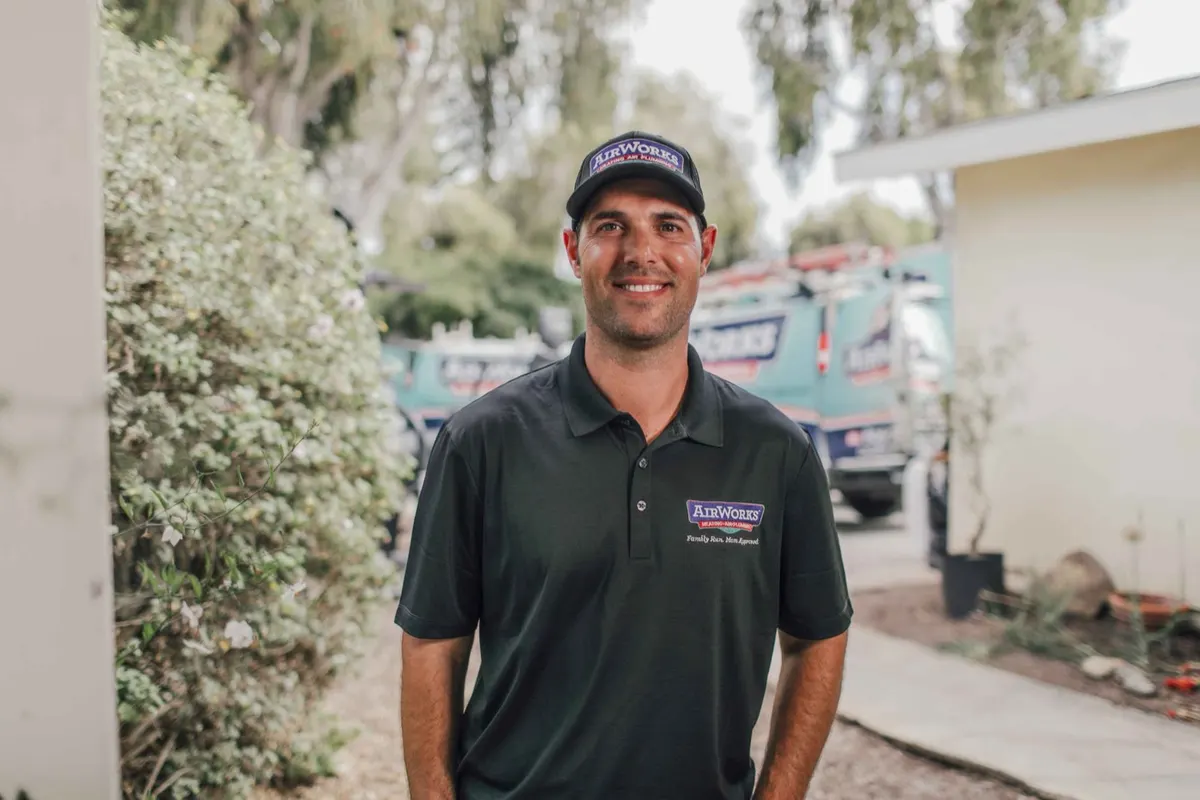
Kevin Allen
Co-Founder & Service Lead
Co-founded AirWorks in 2010 and has worked in Ventura County HVAC since 2002. Leads the service and installation crews — and the fix-what's-actually-broken ethic the company was built on.
Need Help?
Contact us today to discuss your needs. Our team is ready to help.
Related Articles
Why Is Your Air Conditioner Hissing When Off? Causes & Diagnostics
Read Why Is Your Air Conditioner Hissing When Off? Causes & DiagnosticsOptions Comparisons for Homeowners: Heat Pump vs. Gas Furnace
Read Options Comparisons for Homeowners: Heat Pump vs. Gas FurnaceWhy Is Your Air Conditioner Hissing When Off? Causes and Diagnostics
Read Why Is Your Air Conditioner Hissing When Off? Causes and DiagnosticsReady to Get Started?
Whether you need a repair, maintenance, or a new installation, our expert team is here to help.