What Professionals Find When a Furnace Safety Switch Keeps Tripping in November
Kevin Allen
Co-Founder & Service Lead

The Chilling Reality of a Furnace Shutting Down in November
When the first real temperature drop of the season arrives, a furnace safety switch tripping repeatedly is a frustrating and uncomfortable problem to face. Our team at AirWorks Heating, Air & Plumbing receives countless calls every November from homeowners who finally switch the thermostat from cooling to heating, expecting a wave of warm air to fill the house. Instead, the system fires up, runs for just a few minutes, and abruptly shuts down. As the early November evening temperatures drop rapidly, a dormant furnace is suddenly forced into heavy operation, exposing underlying issues that have been hiding all summer. This premature shutdown leaves you in a freezing house, wondering if you are dealing with a minor inconvenience or a major mechanical failure.
Determining the right next step is critical. A system that refuses to stay on is not just an annoyance; it is a clear signal that the internal components are operating outside of their safe parameters. If you are tired of waking up to a cold home, exploring professional HVAC and air conditioning services is the most reliable way to restore your comfort and protect your equipment.
What is a Furnace Limit Switch and Why Is It Tripping?
To understand why your heating system is shutting down, it helps to look at the anatomy of the equipment. The furnace limit switch is a vital life-safety device built into your HVAC system. It is a small probe equipped with a temperature sensor that extends directly into the heat exchanger plenum—the chamber where the actual heating of the air takes place. This switch has one primary job: to constantly monitor the internal temperature of the furnace and prevent it from reaching a dangerous threshold.
How the Safety Mechanism Operates
- Monitoring: As the burners ignite and heat the metal exchanger, the limit switch continuously reads the surrounding air temperature inside the cabinet.
- Threshold Detection: If the internal temperature exceeds the manufacturer's maximum safe limit (often around 200°F, depending on the model), the switch activates.
- Emergency Shutdown: The switch immediately cuts the electrical power to the gas valve or heating elements, extinguishing the flames and stopping the generation of new heat.
- Cooldown Cycle: The blower motor typically continues to run to dissipate the trapped, excessive heat before the system attempts to reset.
Many homeowners assume a tripping switch is a nuisance feature or a defective part. In reality, our technicians have inspected hundreds of heating systems across Somis, and our experience shows that when this device activates during a November early winter cold snap, it is doing exactly what it was designed to do. At AirWorks Heating, Air & Plumbing, our commitment to your home's safety means we always advocate for thorough professional diagnostics over ignoring or bypassing these safety mechanisms. When the switch cuts the power, it is actively saving your system from catastrophic overheating. A comprehensive system inspection and testing process is the only way to uncover exactly why that heat is building up in the first place.
How Restricted Airflow Triggers System Shutdowns
The most common reason a furnace overheats has nothing to do with the burners or the gas supply. Instead, it traces back to simple airflow. A forced-air heating system relies on a constant, unhindered flow of cool return air to sweep across the heat exchanger. This moving air absorbs the thermal energy and carries it into your living space. If that airflow is restricted, the heat has nowhere to go. It remains trapped inside the furnace cabinet, causing internal temperatures to spike rapidly.
In areas like Somis CA, the distinct diurnal temperature variations—mild, comfortable days followed by sharp, cold nights—demand a lot from a heating system. We frequently remind our customers that when the sun goes down, the furnace has to handle sudden, heavy heating loads. If the system lacks optimal airflow, it simply cannot keep up with the demand without overheating.
Common Culprits of Airflow Restriction
- Neglected Air Filters: Over the summer, dust, pet dander, and airborne debris accumulate in the filter. A severely clogged filter acts like a solid wall, choking off the cool return air the furnace desperately needs.
- Blocked Return Vents: Furniture, heavy rugs, or curtains pushed against the large return grilles in your hallways or living rooms will starve the system of air.
- Closed Supply Registers: Shutting vents in unused guest rooms increases the static pressure inside the ductwork, slowing down the overall air velocity and trapping heat at the source.
When these restrictions combine, the trapped heat triggers the limit switch. Addressing these pressure and airflow imbalances through professional air balancing ensures that thermal energy moves efficiently out of the equipment and into the rooms where it belongs.
Mechanical Failures That Cause Overheating
If the airflow pathways are completely clear but the system still shuts down prematurely, the root cause usually lies within the mechanical or electrical components. These failures require a deeper technical understanding to diagnose and resolve safely.
Blower Motor Malfunctions: The blower motor is the heart of your home's air circulation. If the motor is failing due to worn bearings, a failing capacitor, or heavy dust accumulation on the blower wheel, it will not spin fast enough to move the required volume of air. Without that strong breeze over the heat exchanger, the internal temperature climbs until the safety switch intervenes.
Dirty Flame Sensors: While not directly responsible for overheating, a soot-covered flame sensor can cause a similar rapid shutdown. The sensor fails to detect the burner flame and shuts off the gas valve as a precaution. This rapid on-and-off cycling is highly stressful on the equipment.
The Threat of Short Cycling: When a furnace repeatedly turns on, overheats, shuts down, and restarts, it is caught in a loop known as "short cycling." This constant expansion and contraction of the metal components severely degrades the system over time. You might even notice strange odors accompanying these mechanical struggles. As accumulated summer dust or stressed electrical components get too hot, it is common to wonder why your heater smells like burning during those initial start-ups.
| Symptom | Potential Mechanical Cause | Impact on System |
|---|---|---|
| Grinding or squealing noises | Failing blower motor bearings | Reduces air velocity, leading to rapid overheating |
| System shuts down in under 3 minutes | Dirty flame sensor | Prevents sustained heating; causes wear on the igniter |
| Acrid electrical odor | Overheating motor or wiring | High risk of electrical short or component failure |
Safe Troubleshooting Before Calling a Professional
When you are shivering in your living room, it is natural to want to fix the problem immediately. However, modern heating systems are complex, high-voltage appliances that utilize combustible gas. There is a strict boundary between safe homeowner maintenance and dangerous DIY repairs. If your system keeps shutting down, follow these safe troubleshooting steps before reaching for the phone.
- Step 1: Inspect and replace the HVAC air filter. Pull the filter out and hold it up to a light source. If you cannot see light shining through the material, it is completely clogged with dirt and must be replaced immediately.
- Step 2: Walk the perimeter of your home. Check every single room to ensure all supply registers and return grilles are fully open. Move any couches, bookshelves, or area rugs that might be blocking the airflow.
- Step 3: Observe one heating cycle. After installing a fresh filter and opening the vents, turn the thermostat to heat and watch the system. If it runs for a full cycle and satisfies the thermostat setting, you have likely solved the airflow restriction.
Crucial Warning: Never attempt to open the sealed furnace cabinet to manually reset, bypass, or tamper with the limit switch. The switch is a protective barrier. Bypassing it removes the only defense your home has against a catastrophic thermal event.

The Dangers of Ignoring a Tripping Safety Switch
Treating a tripping limit switch as a mere annoyance can lead to devastating consequences for your property and your health. According to general data from organizations like the National Fire Protection Association (NFPA), heating equipment remains a leading cause of home fires. These incidents frequently occur when built-in safety mechanisms are ignored, bypassed, or poorly maintained.
Why a Furnace Safety Switch Tripping is a Call for Action
When a furnace overheats repeatedly, the intense thermal stress takes a heavy toll on the heat exchanger. This crucial component is made of metal, which naturally expands when heated and contracts when cooled. If the internal temperatures routinely exceed safe limits due to poor airflow or a failing blower motor, the metal undergoes extreme stress. Over time, this rapid expansion and contraction causes the heat exchanger to warp and eventually crack.
A cracked heat exchanger is one of the most dangerous failures in an HVAC system. The combustion process creates toxic byproducts, including carbon monoxide (CO), which are normally vented safely out of the roof. A crack allows this colorless, odorless gas to escape the combustion chamber and mix directly with the air being blown into your living space.
The risks are very real. In fact, during a recent winter, our emergency response team at AirWorks Heating, Air & Plumbing was dispatched to a local Somis home where a tripping heater had been ignored, leading to dangerous levels of carbon monoxide building up inside. Our technician arrived immediately, identifying the fatally compromised system. The old, failing unit had to be entirely removed, and a new heater was delivered and installed safely to restore the household's heating and eliminate the CO threat. This highlights why a tripping switch should never be ignored—it is a vital symptom of a much larger, potentially life-threatening problem.
Recognizing When Your Heating System Needs Immediate Help
Knowing exactly when to transition from basic homeowner checks to calling in an expert can save your equipment from permanent damage. If you have replaced the air filter, opened all the vents, and the safety switch continues to trip, professional diagnostics are mandatory. The system is actively telling you that it cannot operate safely under its current conditions.
Listen closely to the equipment when it attempts to run. Unusual grinding, scraping, or high-pitched squealing noises are strong indicators that the blower motor bearings are failing and require immediate mechanical intervention. Additionally, watch the clock. If the system consistently shuts down after only three to five minutes of operation—a textbook example of short cycling—the internal heat is building up far too rapidly for the exhaust flues to handle.
During an active cold snap, losing your primary source of warmth is more than an inconvenience; it affects your family's well-being. Emphasizing a rapid response is crucial. Reaching out to our team for emergency repair in Somis ensures that a qualified technician can test the electrical draws, inspect the heat exchanger for stress fractures, and restore safe, reliable heating to your home before the temperatures drop further.
Frequently Asked Questions About Furnace Safety Switches
Why does my furnace keep tripping the limit switch?
The most common cause of a tripping limit switch is severely restricted airflow. When the furnace cannot pull in enough cool return air due to a dirty filter or blocked vents, the heat generated by the burners stays trapped inside the cabinet. Other potential causes include a failing blower motor that isn't spinning fast enough, or a malfunctioning sensor. A professional technician can test the exact temperature at which the switch is activating to pinpoint the root cause.
Is a tripped furnace limit switch dangerous?
The tripped switch itself is not dangerous; it is actually a vital safety feature actively protecting your home from a fire hazard. However, the underlying overheating issue that caused the switch to trip is highly dangerous if left unaddressed. Repeated overheating degrades the metal heat exchanger, which can eventually crack and allow toxic carbon monoxide to leak into your living space.
Can a clogged filter cause a furnace to shut off?
Yes, a clogged filter is the leading reason a furnace shuts off prematurely. The dense mat of dust and debris acts like a wall, preventing the blower motor from pulling air through the system. Without that moving air to absorb the thermal energy, the internal temperatures rise exponentially in a matter of minutes, triggering the safety shutdown protocol.
How do you fix a furnace that keeps shutting off?
Start by checking the most accessible components: replace your air filter with a clean one and walk through your home to ensure every single supply and return vent is fully open. If the problem persists after these basic airflow checks, you must stop operating the system. A licensed HVAC technician must be called to diagnose the internal electrical components, test the blower motor, and inspect the heat exchanger.
Will resetting my furnace fix a tripping limit switch?
Resetting the furnace at the breaker or thermostat may temporarily restore heat, but it absolutely does not fix the root cause of the overheating. The system will simply overheat again on the next cycle. Forcing a furnace to run by repeatedly resetting it causes immense stress on the internal components and can lead to permanent, expensive damage to the equipment.
Ensure Pre-Winter Heating Reliability Today
Ultimately, a furnace safety switch tripping is your system's way of protecting your home from severe thermal damage. While it is frustrating to lose heat during a cold evening, that sudden shutdown is preventing a much more dangerous situation from unfolding in your attic or basement. Once you have completed the basic airflow checks—like replacing a dirty filter and unblocking your vents—any continued issues require an expert eye.
Addressing a furnace safety switch tripping early on prevents minor airflow problems from evolving into cracked heat exchangers or failed motors. By prioritizing professional diagnostics and thorough internal inspections with our team at AirWorks Heating, Air & Plumbing, you can ensure that your heating system will provide safe, consistent, and reliable warmth all season long.
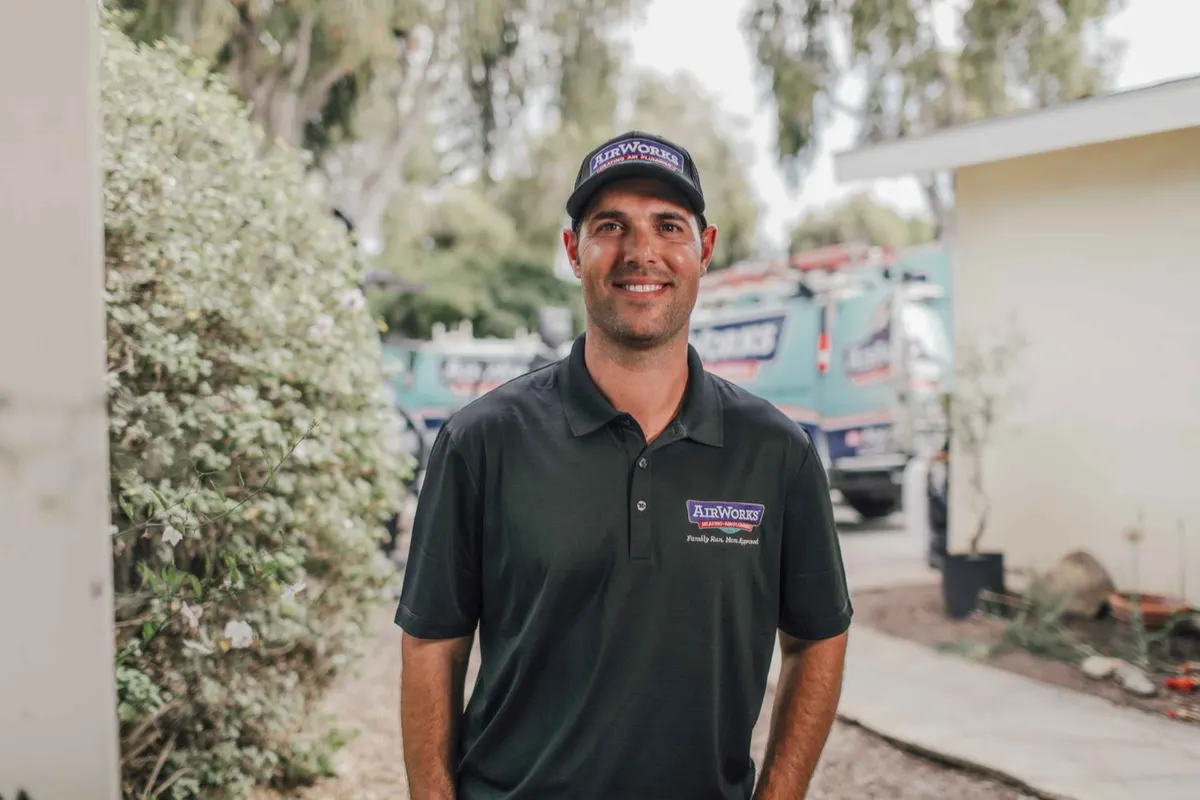
About the Author
Kevin Allen
Co-Founder & Service Lead
Co-founded AirWorks in 2010 and has worked in Ventura County HVAC since 2002. Leads the service and installation crews — and the fix-what's-actually-broken ethic the company was built on.
Need Help?
Contact us today to discuss your needs. Our team is ready to help.
Related Articles
What to Expect During Pre-Winter Gas Furnace Safety Checks
Read What to Expect During Pre-Winter Gas Furnace Safety ChecksWhy Unused Guest Bathrooms Develop Sewer Smells Before the Holidays
Read Why Unused Guest Bathrooms Develop Sewer Smells Before the HolidaysHVAC Options Comparisons for Homeowners: Heat Pump vs. Gas Furnace
Read HVAC Options Comparisons for Homeowners: Heat Pump vs. Gas FurnaceReady to Get Started?
Whether you need a repair, maintenance, or a new installation, our expert team is here to help.