How a Super El Niño Will Impact Southern California Homes This Fall (And How to Prep Your HVAC)
Kevin Allen
Co-Founder & Service Lead

Bracing for the Deluge: Why This Fall Requires Extra Preparation
If you are researching exactly how Super El Nino will be impacting our area come fall/winter and how to prep etc, you are taking the right first step toward protecting your property. October in Southern California usually brings a welcome break from the intense summer heat, but this year, a much larger and more disruptive weather pattern is looming just off the coast. The shift from dry, arid conditions to a season of heavy, relentless rainfall requires immediate attention. To protect your home from the impending moisture, you need more than just sandbags; safeguarding your air conditioning systems with a professional HVAC inspection and testing is your first line of defense.
The critical preparation window: We are currently in the mid-fall October pre-winter prep phase. In our years of servicing homes across Somis and Ventura County, the AirWorks Heating, Air & Plumbing team has learned that this is the narrow window of time before historic El Niño rains typically begin to fall in late November and December. Southern California homes are primarily built to shed dry heat, featuring stucco exteriors, flat or low-sloped roofs, and slab foundations. They are not naturally equipped to handle sudden, severe, and sustained moisture.
Your indoor shield: While roofing, gutters, and yard drainage get the vast majority of attention during storm preparation, your home's climate control system is actually your primary defense against indoor humidity and poor air quality. Evaluating your heating and cooling components early ensures that your system can handle the extreme weather shifts ahead. A proactive, professional evaluation will confirm that your equipment is calibrated to extract excess moisture, keeping your living space dry and comfortable even when the atmospheric rivers arrive.
Understanding the Shift: What Super El Niño Means for Southern California
The Problem: A standard winter in Southern California might deliver a handful of manageable rainstorms spaced weeks apart. However, a "Super" El Niño is an entirely different meteorological event. This phenomenon is characterized by significantly higher precipitation volumes and back-to-back storm systems that roll off the Pacific Ocean with very little recovery time in between. The sudden transition from months of dry, arid heat to sustained, high-moisture atmospheric rivers puts immense stress on residential infrastructure.
The Cause: During these intense weather patterns, the ground quickly reaches maximum saturation. In Ventura County and the Somis area, a pattern we see often is local topography and specific clay-heavy soil types increasing the vulnerability to pooling water and rapid debris flows. When the soil can no longer absorb the deluge, our technicians frequently find water pooling dangerously close to foundations and concrete equipment pads. Furthermore, these storm fronts often bring rapid temperature drops, creating a sharp contrast between the cold, wet exterior and the warm interior of your home.
The Solution: Protecting your property requires a deep understanding of these localized risks. At AirWorks Heating, Air & Plumbing, our team's extensive field experience with Southern California's unique microclimates allows us to tailor our approach, protecting homes against both coastal moisture and valley weather anomalies. Because these external changes immediately impact the internal microclimate of your house, preparation must focus on bridging the gap between outdoor drainage and indoor climate control.
| Weather Factor | Standard Southern California Winter | Super El Niño Winter |
|---|---|---|
| Precipitation Volume | Scattered, light-to-moderate showers. | Heavy, sustained atmospheric rivers. |
| Ground Saturation | Soil absorbs moisture easily; minimal runoff. | Rapid saturation leading to pooling and mudflows. |
| Indoor Humidity | Remains relatively low and manageable. | Spikes dramatically, trapping damp air indoors. |
| Temperature Shifts | Gradual cooling throughout the season. | Sudden, sharp drops during back-to-back storms. |
The Hidden Threat: Indoor Air Quality and Rising Humidity
The unseen danger of heavy rain: When relentless rain batters the exterior of your home, the most significant threat often develops quietly inside. According to EPA guidelines, indoor humidity levels that consistently rise above 60% create the ideal breeding ground for rapid mold and mildew growth. A pattern we see often during a typical dry winter is that homeowners might simply open a window to ventilate. However, during an El Niño event, continuous rain prevents natural ventilation, trapping moisture, cooking odors, and airborne particulates indoors.
The chill factor: Damp air actually feels colder against your skin than dry air at the exact same temperature. This thermodynamic reality forces your heating system to work much harder to achieve the same level of perceived comfort if the indoor humidity is not properly controlled.
How Moisture Infiltrates Your Home
Even with the windows tightly shut, heavy exterior rainfall finds ways to degrade your indoor air quality. Our indoor air quality specialists commonly encounter a few specific pathways for moisture intrusion:
- Poor sealing: Worn weatherstripping around exterior doors and drafty window frames allow humid outdoor air to seep directly into your living spaces.
- Crawlspace evaporation: As water pools under the house, moisture vapor evaporates upward, penetrating the subfloor and entering the home through the stack effect.
- Inadequate mechanical ventilation: Without the ability to open windows, steam from showers and cooking lingers in bathrooms and kitchens, driving up the baseline humidity of the entire house.
The Ductwork Danger Zone
Your home's duct network is particularly vulnerable to moisture-related issues during a wet winter. Uninsulated or poorly sealed ducts running through unconditioned spaces—like cold attics or damp crawlspaces—create the perfect environment for condensation. When warm air travels through cold metal ducts, water droplets form inside the system. If mold develops within this damp ductwork, the HVAC blower will circulate those spores into every room of the house, leading to significant health impacts and degraded indoor air quality.
Protecting Your Outdoor Equipment from Flooding and Mud
The Problem: Your outdoor condenser unit is tough, but it is not a submarine. Ground-level HVAC equipment is at severe risk when yard drainage fails during heavy downpours. In the Somis and Southern California valley regions, our crews typically see the clay-heavy soil bake hard during the summer. When the first heavy rains hit, this soil repels water before it absorbs it, leading to rapid flash runoff and thick mud accumulation directly against home foundations.
The Cause: If mud, leaves, and pooling water are allowed to rise around the base of the outdoor unit, they can suffocate the system. We've responded to countless emergency calls where thick debris blocked the delicate aluminum fins, preventing the system from transferring heat properly. More dangerously, rising water that reaches the internal electrical components can cause catastrophic shorts and permanent compressor failure.
The Solution: Before the storms start, clear a strict 2-to-3-foot perimeter around the entire unit. Remove all organic debris, trim back overgrown bushes, and ensure there is no loose soil that could easily turn into a mudslide against the equipment. If you are concerned about the placement or safety of your unit, never attempt DIY electrical modifications or try to physically move the heavy equipment yourself. Instead, rely on a professional HVAC inspection in Somis to safely assess the situation.
Assessing Yard Drainage
Take a walk around your property during the next light rain or while running a garden hose to evaluate how water moves near your equipment:
- Check the downspouts: Ensure that all gutter downspouts and extenders direct roof runoff at least several feet away from the HVAC concrete pad.
- Evaluate the pad level: Inspect the concrete or composite pad beneath the unit. If the ground has settled and the pad is tilting toward the house, it will actively collect pooling water rather than shedding it.
Dehumidification: Your HVAC System's Secret Superpower
The science of moisture extraction: Most homeowners view their air conditioner or heat pump strictly as a temperature control device, but its ability to manage moisture is just as vital during a wet winter. As warm, damp indoor air is pulled over the cold indoor evaporator coil, the air temperature drops below its dew point. This causes the airborne moisture to condense into liquid water, which then drips safely away.
The importance of the drain line: This extracted water exits the home through the condensate drain line. If this line is clogged with summer dust, algae, or debris, the water has nowhere to go. It will back up into the drain pan, potentially overflowing and causing severe ceiling or floor water damage just as the external storms are hitting.
The short-cycling dilemma: A system that is "short cycling"—turning on and off rapidly—fails to properly dehumidify the home. Because it takes about 10 to 15 minutes of continuous operation for the coil to get cold enough to start extracting moisture, a system that shuts down too quickly will leave the air feeling cold and clammy.
Supplementary solutions: For extreme El Niño conditions where the standard HVAC system struggles to keep up with the moisture load, whole-home dehumidifiers serve as a powerful supplementary solution. These units integrate directly into your existing ductwork, pulling gallons of water out of the air daily and ensuring your home remains a dry sanctuary.
Steps to Prepare Your HVAC for El Niño: A Fall Checklist
Taking action in October is the most effective way to prevent catastrophic failures in December. Based on the hundreds of pre-winter inspections our technicians perform every fall, we recommend following this actionable checklist to secure your system:
- Clear all organic debris: Rake away leaves, fallen branches, and dirt from the 2-to-3-foot zone around your outdoor unit. This prevents mud from suffocating the coils during heavy runoff.
- Replace indoor air filters: A clogged filter restricts airflow, which severely limits your system's ability to pull humid air across the coils and remove moisture. Install a fresh, high-quality filter now.
- Test the heating function early: Do not wait for the first major cold snap to switch your thermostat to "Heat." Turn it on for 15 minutes in October to ensure the burners ignite or the heat pump reverses correctly without strange smells or noises. (Note: Generous federal tax credits and utility rebates may apply to qualifying high-efficiency heat pump installations if it's time to upgrade—check with your tax professional or utility provider for current details.)
- Inspect visible ductwork: Take a flashlight into your attic or crawlspace. Look for obvious tears, crushed sections, or disconnected joints where expensive conditioned air might be escaping and damp air might be entering.
- Schedule a professional tune-up: The most crucial step on your seasonal home maintenance checklist is having a technician clear the condensate lines, calibrate the blower motor, and verify the electrical connections before the severe weather hits.

Frequently Asked Questions About El Niño Home Prep
What does a Super El Niño mean for Southern California?
A Super El Niño typically brings significantly higher than average rainfall and consecutive, severe storm systems to the region. Unlike a standard winter with sporadic showers, these atmospheric rivers cause rapid ground saturation and elevated humidity. For homeowners, this means preparing for sudden temperature drops, potential localized flooding, and prolonged periods where natural home ventilation is impossible.
How do I prepare my house for El Niño rains?
Preparing your house requires a combination of exterior drainage management and interior climate control readiness. Start by clearing gutters, extending downspouts away from the foundation, and checking your roof for vulnerabilities. Internally, replace your HVAC filters, test your heating system early, and ensure your weatherstripping is intact to keep heavy moisture from infiltrating your living spaces.
How do I protect my outside AC unit from flooding?
The best protection is ensuring proper yard drainage so water flows away from the concrete equipment pad. Clear a 2-to-3-foot perimeter of all leaves, dirt, and debris to prevent mud from suffocating the lower fins of the unit during heavy runoff. If your yard is prone to deep standing water, have a professional evaluate the pad level, but never attempt to physically raise or move the electrical unit yourself.
Does El Niño make it colder in California?
While El Niño is primarily known for heavy precipitation, the intense storm fronts often bring rapid, sharp drops in temperature. Furthermore, the significantly higher humidity levels make the damp air feel much colder against your skin than dry air at the same temperature. This combination forces your home's heating system to work harder to maintain a comfortable environment.
Can heavy rain cause my HVAC system to stop working?
Yes, severe rain and flooding can disrupt your HVAC system in several ways. If pooling water reaches the internal electrical components of the outdoor condenser, it can cause immediate electrical shorts and system failure. Additionally, heavy mud splashing against the coil fins can restrict airflow, causing the system to overheat and shut down.
Should I cover my outdoor AC unit during a rainstorm?
No, you should never cover your outdoor AC unit with a tarp or plastic sheet during a rainstorm. These units are manufactured to withstand direct rainfall, and covering them traps moisture inside, which accelerates rust and corrosion on internal components. A tight cover also creates a welcoming, dry shelter for rodents looking to escape the storm, leading to chewed wires and costly damage.
Securing Your Home's Comfort Before the Storms Arrive
The main takeaway for Southern California homeowners is simple: proactive preparation in October prevents stressful emergency breakdowns in December. When you are facing back-to-back atmospheric rivers, managing indoor moisture is just as important as managing the temperature. A neglected system will struggle to dehumidify the air, leaving your home feeling damp, cold, and vulnerable to poor indoor air quality.
Final Thoughts on How Super El Nino Will Be Impacting Our Area Come Fall/Winter and How to Prep Etc
Understanding exactly how Super El Nino will be impacting our area come fall/winter and how to prep etc gives you a distinct advantage over the coming weather. By clearing your outdoor drainage, changing your filters, and addressing potential vulnerabilities now, you are setting your property up for success. We highly encourage readers to explore professional maintenance options early in the season. Taking these steps ensures that when the heavy rains finally arrive, your home will remain the dry, warm, and comfortable sanctuary you deserve.
About the Author
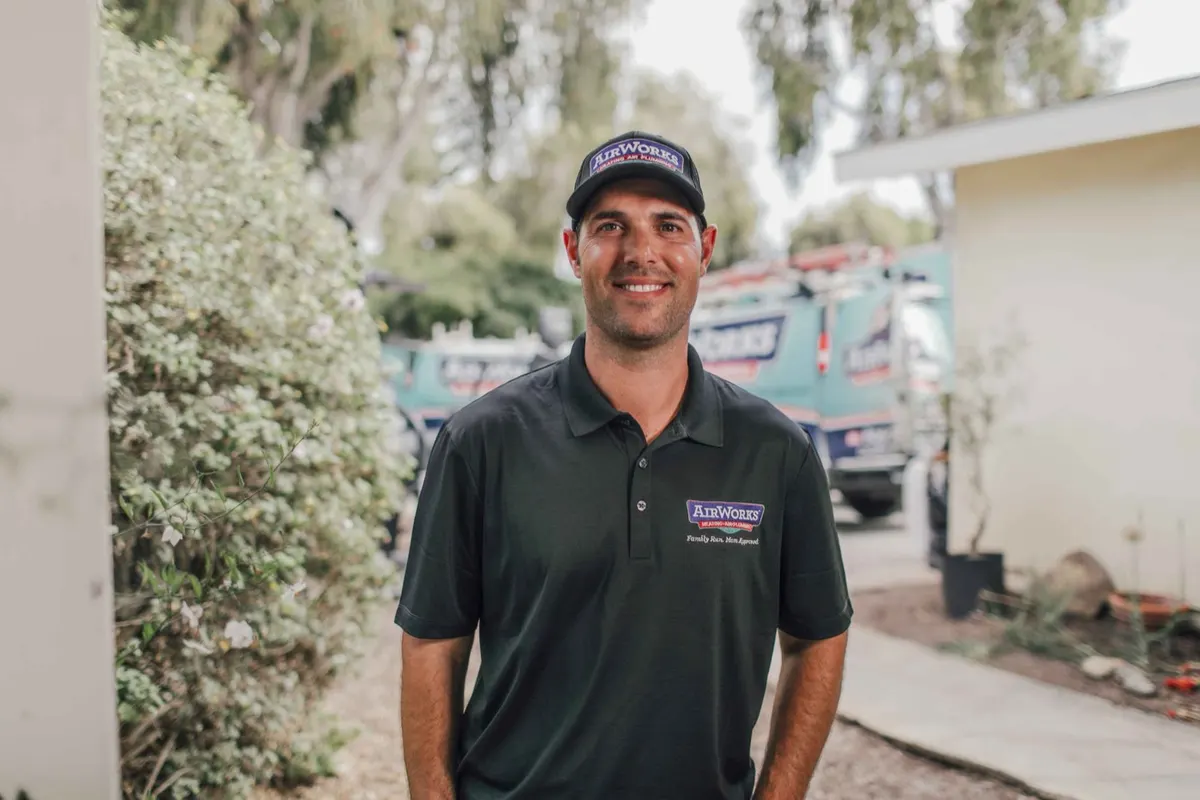
Kevin Allen
Co-Founder & Service Lead
Co-founded AirWorks in 2010 and has worked in Ventura County HVAC since 2002. Leads the service and installation crews — and the fix-what's-actually-broken ethic the company was built on.
Need Help?
Contact us today to discuss your needs. Our team is ready to help.
Related Articles
Options Comparisons for Homeowners: Heat Pump vs. Gas Furnace
Read Options Comparisons for Homeowners: Heat Pump vs. Gas FurnaceWhy Is Your Air Conditioner Hissing When Off? Causes and Diagnostics
Read Why Is Your Air Conditioner Hissing When Off? Causes and DiagnosticsHeat Pump vs. Gas Furnace: Technical Options Comparisons for Homeowners
Read Heat Pump vs. Gas Furnace: Technical Options Comparisons for HomeownersReady to Get Started?
Whether you need a repair, maintenance, or a new installation, our expert team is here to help.