AC Running But Not Cooling: A Homeowner's Guide to Comparing Service Options
Kevin Allen
Co-Founder & Service Lead

The Heat is On: Deciding Your Next Steps When the AC Runs But Won't Cool
When the first major heatwave of the season arrives, trying to navigate options comparisons for homeowners can feel overwhelming, especially if your air conditioner is running constantly but failing to lower the temperature inside. In our years of helping families across the local area, we have seen firsthand how frustrating this scenario can be. You walk past the thermostat, and despite the system humming loudly in the background, the indoor temperature continues to climb. This constant operation suggests the system is trying to work, yet the lack of cold air indicates a fundamental failure in the cooling cycle.
High local ambient temperatures drastically reduce the time window homeowners have to resolve cooling issues before indoor heat indexes reach unsafe levels. As the sun beats down on your roof and exterior walls, the thermal load on your home increases rapidly. Without an effective air conditioning system removing that heat and humidity, the interior climate quickly shifts from merely uncomfortable to potentially hazardous for vulnerable family members and pets.
The core challenge most people face in this moment is evaluating and comparing standard options for local services without clear, unbiased criteria. When you are sweating in your own living room, making a rushed choice is easy, but it often leads to regret. You find yourself standing at a critical decision point: Should you attempt to troubleshoot the system yourself? Is it time to call for a professional diagnostic? Or, if the unit is older, should you start preparing for a full system replacement?
Making the right choice requires a clear, structured comparison framework. By understanding exactly what is happening inside your HVAC system, you can objectively evaluate your next steps. The goal is to strip away the confusion and provide you with a neutral, expert breakdown of how to handle an air conditioner that runs but refuses to cool.
Phase One: Safe Homeowner Checks vs. Professional Boundaries
Before you make any major decisions, it helps to understand the clear boundaries between safe homeowner maintenance and tasks that require a licensed professional. When you want to compare local service options effectively, knowing what you can rule out on your own saves both time and diagnostic fees. However, crossing the line into complex mechanical or chemical repairs is dangerous and often illegal.
There is a logical progression to troubleshooting. The problem usually starts with simple airflow restrictions, progresses to electrical communication errors, and ends with complex mechanical or chemical failures. By following a structured approach to DIY AC Troubleshooting, you can safely eliminate the most common, easily correctable culprits.
Evaluating Airflow and Thermostat Settings
Our team typically sees that the most frequent cause of an air conditioner running without cooling is a disruption in airflow or a simple thermostat error. Start by verifying that your thermostat is actually set to "cool" and that the fan switch is set to "auto" rather than "on." If the fan is set to "on," the indoor blower will run continuously, circulating room-temperature air even when the outdoor compressor cycles off. This creates the illusion that the AC is running but failing to cool.
Next, inspect your indoor air filter. A severely clogged air filter acts like a wall, choking off the oxygen your system needs to breathe. When airflow is restricted, the evaporator coil inside your home cannot absorb heat efficiently. This lack of heat transfer means the air blowing out of your vents will feel weak and lukewarm. Replacing a dirty filter is the single most effective maintenance task a homeowner can perform.
Finally, walk outside and inspect the condenser unit. The outdoor unit needs at least two feet of clearance on all sides to exhaust the heat it pulls from your home. If the metal fins are choked with grass clippings, cottonwood seeds, or thick layers of dust, the system cannot release heat into the outdoor air. In fact, dirty condenser coils can increase compressor energy consumption by up to 30%, forcing the system to work harder for less cooling output. You can safely clear away large debris and trim back bushes, but leave the deep chemical cleaning of the delicate aluminum fins to a professional.
When to Stop and Call a Professional
Knowing when to stop is just as important as knowing where to start. Once you have verified the thermostat, changed the filter, and cleared the outdoor unit, your safe troubleshooting phase is complete. If the system is still running without cooling, you are likely dealing with a mechanical failure, an electrical issue, or a refrigerant problem.
Warning signs that require immediate professional intervention:
- Hissing or bubbling sounds: These noises near the indoor or outdoor unit strongly indicate a refrigerant leak.
- Tripping breakers: If the AC continually trips your electrical panel, do not keep resetting it. This points to a dangerous electrical short or a grounded compressor.
- Ice buildup: Finding thick ice on the indoor coil or the copper lines outside means the system is severely malfunctioning and needs to be shut off immediately.
It is vital to understand that handling refrigerant requires EPA Section 608 certification and must never be attempted by homeowners. Refrigerant operates under extreme pressure and can cause severe frostbite, while venting it into the atmosphere violates federal environmental laws. When you encounter these complex issues, it is time to shift your focus to professional solutions.
Phase Two: Weighing a Professional Diagnostic Against Continued Troubleshooting
Once you have exhausted the basic visual inspections, the next step in your options comparisons for homeowners is deciding whether to invest in a professional diagnostic. Many people hesitate at this stage, hoping the problem will resolve itself or trying to guess which part has failed based on internet searches. However, guessing often leads to unnecessary expenses and prolonged discomfort.
A professional diagnostic is fundamentally different from a visual homeowner check. It is an objective fact-finding mission. When a licensed technician arrives, they are not simply looking at the machine; they are measuring its vital signs. They use a structured approach to evaluate the electrical draw, the refrigerant pressures, and the mechanical integrity of every moving part. This data-driven process takes the guesswork out of the equation and provides you with the concrete information needed to compare local service options for repair.
We always recommend weighing the time and efficiency lost by delaying a professional assessment. Every day your system runs constantly without cooling your home, you are accumulating massive energy bills while putting extreme wear and tear on the compressor. The cost of a diagnostic fee is almost always lower than the cost of a catastrophic compressor failure caused by running a compromised system for days on end.
Uncovering Hidden System Failures
The primary value of a professional diagnostic lies in uncovering hidden issues that are completely invisible to the naked eye. For example, a system might be low on refrigerant, which causes the evaporator coil to drop below freezing. Moisture in the indoor air then freezes onto the coil, creating a solid block of ice that blocks airflow entirely. A homeowner might only notice warm air at the vents, but a technician will identify the frozen coil and, more importantly, trace the root cause.
Technicians utilize specialized tools to measure system performance. They connect manifold gauges to the outdoor unit to read the exact pressures and temperatures of the refrigerant as it moves through the cycle. If they suspect a leak, they use highly sensitive electronic leak detectors or ultraviolet dyes to pinpoint micro-leaks in the miles of copper tubing. They also test the microfarad readings on capacitors and the amp draw on the compressor motor. These precise measurements allow them to present you with an accurate, unbiased assessment of the system's health, empowering you to make an informed decision on the next steps.
Phase Three: The Repair vs. Replace Decision Matrix for Failing ACs
If the diagnostic reveals a major failure—such as a ruptured coil, a dead compressor, or a severe refrigerant leak—you face the most significant decision point: repairing the broken component or replacing the entire system. To compare local service options objectively, you need a neutral framework that removes sales jargon and focuses purely on facts, budget, and long-term value.
The Department of Energy recommends replacing HVAC systems that are over 10-15 years old if they require significant repairs. This benchmark exists because air conditioners lose efficiency over time, and the technology advances rapidly. Pouring significant capital into a 14-year-old system is often a poor investment, as another major component is likely to fail soon after.
In our business, a pattern we see often is that when comparing the long-term efficiency gains of a new system against the immediate lower cost of a patch repair, homeowners must look at the total cost of ownership. A new system will drastically reduce your monthly energy bills, often offsetting the cost of financing over time. However, if your system is relatively new and simply suffered a premature part failure, a repair is usually the most logical path.
Assessing System Age and Condition
To help you navigate this choice, we use a structured decision matrix based on objective criteria. The three most critical factors are age, frequency of recent breakdowns, and current warranty status.
| Decision Factor | Lean Toward Repair If... | Lean Toward Replacement If... |
|---|---|---|
| System Age | The unit is under 10 years old and has been well-maintained. | The unit is over 10-15 years old and uses outdated R-22 refrigerant. |
| Repair Cost | The repair is minor and costs less than 25% of a new system. | The repair cost exceeds 50% of the value of a new system. |
| Breakdown History | This is the first major issue the system has ever had. | You have paid for multiple repairs over the last two cooling seasons. |
| Warranty Status | The failed part is fully covered by a manufacturer parts warranty. | The warranty has expired, leaving you responsible for all parts and labor. |
| Energy Efficiency | Your energy bills have remained stable and reasonable. | Your energy bills have spiked significantly over the last few years. |

How Extreme Summer Heat Accelerates Your Cooling System Decisions
During peak summer heat, an AC unit running constantly without cooling can quickly lead to compressor burnout due to thermal overload. This is a critical factor that drastically alters how you should approach your decision-making process. When the outside temperature soars, your air conditioner is already operating near its maximum design capacity. It relies on the cool refrigerant returning from inside the house to keep the compressor motor from overheating.
If the system is low on refrigerant, or if airflow is blocked, that vital cooling effect is lost. The compressor, which is the heart of your entire HVAC system, begins to run hotter and hotter. Because the thermostat inside the house never reaches its target temperature, it never sends the signal to shut the system down. The compressor runs endlessly in a state of thermal overload, baking its internal electrical windings until they eventually short out and fail completely.
Peak summer heat drastically reduces your margin for error. A minor inefficiency in the spring might go unnoticed, but in the middle of a heatwave, that same inefficiency causes massive system strain. You have to compare the risks of running a compromised system against the inconvenience of shutting it down. While turning off the AC in a hot house is incredibly uncomfortable, it is often the smartest financial decision you can make. Shutting the system down at the thermostat prevents catastrophic compressor failure and preserves the unit until a professional can arrive to perform a proper diagnostic.
Choosing the Right Local Expertise to Restore Your Home's Comfort
When you are ready to escalate the problem, knowing how to compare local service options ensures you get the right help quickly. The HVAC industry is vast, and not all service providers operate with the same level of diagnostic rigor. You need a partner who values objective fact-finding over high-pressure sales tactics.
Finding prompt and reliable local service expertise that prioritizes accurate diagnostics over guesswork is the key to preventing minor cooling issues from becoming catastrophic failures. A well-trained technician will explain exactly what they are testing, show you the readings on their instruments, and walk you through the decision matrix without pushing you toward a predetermined outcome.
Use these steps to compare and select a reliable local HVAC provider:
- Verify Industry Certifications: Look for technicians who carry NATE (North American Technician Excellence) certification and the required EPA Section 608 credentials for handling refrigerants. This guarantees a baseline of rigorous, tested knowledge.
- Demand Diagnostic Transparency: A reputable company will provide a clear, upfront diagnostic fee and will not begin any repair work without presenting a fully itemized breakdown of the problem and the proposed solution.
- Evaluate Promptness and Communication: Pay attention to how the company handles your initial call. Clear communication regarding arrival windows and technician dispatch is a strong indicator of their overall operational professionalism.
- Assess Their Approach to Options: The best service providers offer a good-better-best framework. They should present the bare-minimum safe repair alongside long-term replacement options, allowing you to choose the path that best fits your budget and future plans for the home.
Frequently Asked Questions About AC Cooling Issues
Why is my AC running but not blowing cold air?
The short answer is that your system's heat transfer process has been interrupted. This is most commonly caused by a severely clogged air filter, a dirty outdoor condenser coil, or a refrigerant leak. When the system cannot absorb heat from inside or release it outside, the fan continues to blow, but the air remains at room temperature. Checking your filter and thermostat settings is the best first step.
How do I fix an AC that is running but not cooling?
You can safely fix basic airflow issues by replacing a dirty indoor air filter, clearing debris away from the outdoor condenser unit, and ensuring your thermostat is set to "cool" with the fan on "auto." If these simple homeowner checks do not resolve the issue, the fix requires specialized tools. You will need a professional to measure refrigerant levels, test electrical components, and inspect the evaporator coil.
When should I call a professional for an AC not cooling?
You should call a professional immediately if you notice ice building up on the indoor or outdoor coils, hear hissing sounds indicating a leak, or if the unit repeatedly trips your circuit breaker. Furthermore, if you have already replaced the air filter and checked the thermostat but the air remains warm after a few hours, it is time to schedule a diagnostic. Delaying the call while the system runs constantly can lead to total compressor failure.
Is it better to repair or replace an AC not blowing cold air?
When comparing these options, the deciding factor is usually the age of the equipment and the cost of the repair. If your air conditioner is under 10 years old and requires a minor electrical fix, repairing it is the logical choice. However, if the system is over 10-15 years old, uses obsolete refrigerant, and requires a major component like a compressor or coil, replacing it is generally the more cost-effective long-term investment.
What are the risks of letting an AC run constantly if it isn't cooling?
Allowing a malfunctioning AC to run continuously puts massive strain on the compressor, leading to thermal overload and eventual motor burnout. Because the system is not cooling the house, the thermostat never tells it to shut off, forcing the machinery to work endlessly in a compromised state. Shutting the system off at the thermostat is the safest way to prevent a minor repair from turning into a total system replacement.
Make an Informed Decision for Your Home's Cooling Needs
Evaluating and comparing standard options for local services doesn't have to be a stressful, high-pressure experience. By establishing a clear, structured comparison framework, you can confidently navigate the line between simple home maintenance and professional intervention. Understanding the age of your system, the nature of the breakdown, and the impact of extreme seasonal heat allows you to make objective decisions that protect your home and your budget.
Taking the right diagnostic steps now saves you immense time and stress as the hot season progresses. If you have run through the basic checks and your system is still struggling to keep up, it is time to stop guessing. We encourage you to explore professional diagnostic options to get a definitive, data-driven answer on your air conditioner's health, ensuring your home remains comfortable and safe all summer long.
About the Author
Kevin Allen
Co-Founder & Service Lead
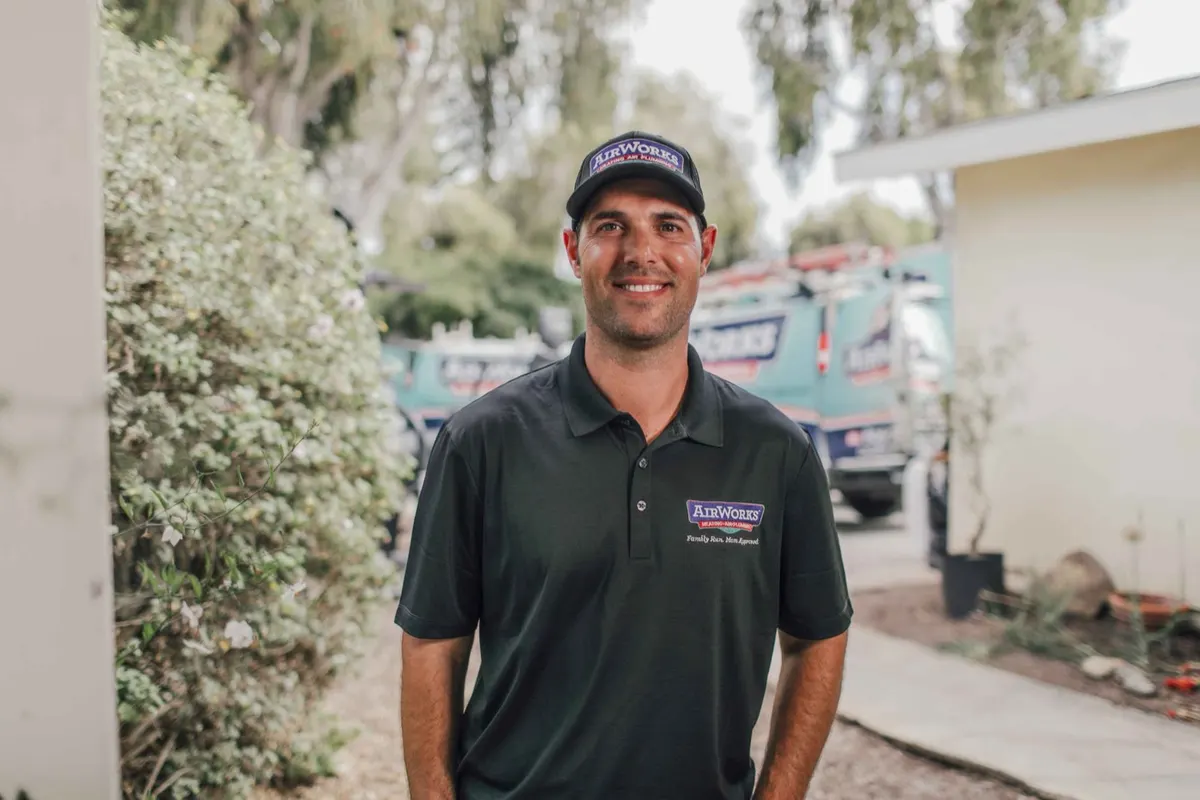
Co-founded AirWorks in 2010 and has worked in Ventura County HVAC since 2002. Leads the service and installation crews — and the fix-what's-actually-broken ethic the company was built on.
Need Help?
Contact us today to discuss your needs. Our team is ready to help.
Related Articles
Options Comparisons for Homeowners: Heat Pump vs. Gas Furnace
Read Options Comparisons for Homeowners: Heat Pump vs. Gas FurnaceWhy Is Your Air Conditioner Hissing When Off? Causes and Diagnostics
Read Why Is Your Air Conditioner Hissing When Off? Causes and DiagnosticsHeat Pump vs. Gas Furnace: Technical Options Comparisons for Homeowners
Read Heat Pump vs. Gas Furnace: Technical Options Comparisons for HomeownersReady to Get Started?
Whether you need a repair, maintenance, or a new installation, our expert team is here to help.