How to Maintain Your AC System Without Breaking a Sweat
Kevin Allen
Co-Founder & Service Lead

Discover HVAC maintenance tips for homeowners: swap filters, clean vents, optimize thermostats & more to boost efficiency and save on bills!
Why Regular HVAC Maintenance Saves You Money and Stress
HVAC maintenance tips for homeowners are something every Ventura County household should have on their radar — because the average home spends nearly $1,900 a year on energy, and close to half of that goes straight to heating and cooling.
Here are the most important HVAC maintenance tasks you can do yourself:
- Change or inspect your air filter every 30–90 days — a clogged filter is the number one cause of system failure
- Clear debris from your outdoor condenser unit and maintain at least 2 feet of clearance around it
- Flush the condensate drain line with vinegar every few months to prevent clogs and water damage
- Clean your vents and registers by vacuuming and wiping them down regularly
- Test your thermostat and check the batteries each season
- Visually inspect accessible ductwork for obvious gaps, disconnects, or damage
- Schedule a professional tune-up twice a year — once in spring before cooling season, once in fall before heating season
Even small habits like these can reduce your system's energy use by 15–20%, prevent expensive breakdowns, and extend the life of your equipment by years.
But here's the honest truth: most homeowners don't think about their HVAC system until something goes wrong. That first sweltering night when the AC doesn't kick on, or that first cold morning when the heat just isn't there — it's uncomfortable, it's stressful, and in most cases, it's completely avoidable.
This guide walks you through the practical, straightforward steps you can take right now to keep your system running efficiently, season after season.
I’m Kevin Allen, co-founder of AirWorks. I started in commercial HVAC across Ventura County in 2002. Whether you’re a first-time homeowner or just looking to get more out of your system, this guide is built for you.

Essential HVAC Maintenance Tips for Homeowners
When we think about home maintenance, we often think about the things we can see—the peeling paint or the leaky faucet. However, your heating and cooling system is the "lungs" of your home. It’s working behind the scenes 24/7 to keep your family comfortable. Taking a proactive approach to preventative care doesn't just save you from a mid-summer meltdown; it keeps your utility bills manageable and ensures your airflow remains efficient.
By following a few simple hvac maintenance tips for homeowners, you can ensure your system lives its longest, healthiest life. If you ever feel like a task is beyond your comfort level, we are always here to help with professional HVAC maintenance.
Master the Monthly Air Filter Swap: HVAC Maintenance Tips for Homeowners
If there is one thing you take away from this guide, let it be this: change your air filters. A dirty or unmaintained system can use up to 20% more energy, and a clogged filter is the primary culprit. When air can't pass through the filter easily, your blower motor has to work twice as hard, leading to premature wear and tear.
- Frequency: Check your filter every 30 days. If you have pets, smokers, or live in a dusty area like parts of the Sacramento Valley, you’ll likely need to replace it every 30–60 days. If your home is relatively quiet and pet-free, you might stretch it to 90 days.
- MERV Ratings: Not all filters are created equal. MERV (Minimum Efficiency Reporting Value) ratings range from 1 to 20. For most homes, a MERV rating between 8 and 11 provides a great balance of filtration and airflow. Higher ratings, like MERV 13 or 14, are excellent for trapping allergens and bacteria but can restrict airflow if your system isn't designed for them.
- The "Arrow" Trick: When you slide the new filter in, look for the airflow direction arrow printed on the side. This arrow should always point toward the furnace or air handler (the "main" unit). Writing the installation date on the edge of the filter is a great way to remember when you last changed it.
Clearing the Outdoor Condenser Unit
Your outdoor unit (the condenser) is responsible for releasing the heat collected from inside your home. If it’s covered in leaves, dirt, or overgrown bushes, it’s like trying to run a marathon while wearing a heavy winter coat.
To keep it breathing freely:
- Maintain Clearance: Ensure there is at least a two-foot "no-fly zone" around the unit. Trim back any shrubs, tall grass, or flowers that have crept too close.
- Debris Removal: Turn off the power at the outdoor disconnect box and remove any leaves or twigs stuck in the top or sides of the unit.
- Fin Inspection: The thin metal "fins" on the side of the unit can get bent easily. You can use a "fin comb" to straighten them gently, which helps maintain proper airflow.
- Gentle Rinse: Use a garden hose (never a pressure washer, as it can destroy the delicate fins) to rinse away dust and pollen from the exterior.
Inspecting and Flushing the Condensate Drain Line
As your AC cools your home, it also removes humidity. That moisture turns into water, which collects in a drip pan and exits through a condensate drain line. Over time, algae and mold can grow inside this line, leading to clogs. A blocked drain line can cause water to back up, leading to significant water damage in your attic or crawlspace.
To prevent this, find the access point (usually a T-shaped pipe near the indoor unit) and pour about a quarter-cup of distilled white vinegar down the line every few months. This kills off any burgeoning algae growth. If you notice water in the secondary drip pan under your unit, it’s a sign that the main line is already clogged and needs immediate attention.
Maximizing Efficiency with DIY Indoor Tasks
While the heavy lifting happens at the units themselves, the way you manage the air inside your home plays a huge role in overall efficiency. Simple indoor habits can significantly improve your indoor air quality and reduce the strain on your equipment.
Cleaning Vents and Registers: HVAC Maintenance Tips for Homeowners
It’s easy to ignore the vents on your floors and ceilings, but they are the final gateway for your conditioned air. Dust, pet hair, and even dust mites can accumulate on these registers.
- Vacuum Regularly: Use a brush attachment to vacuum the slats of your vents once a month.
- Check for Blockages: Ensure that furniture, rugs, or curtains aren't covering your vents. Blocking a vent doesn't "save energy" in that room; instead, it increases pressure in the ductwork and makes the system work harder, potentially leading to leaks.
- Deep Clean: Once a year, unscrew the vent covers and wash them in warm, soapy water to remove any sticky residue.
Optimizing Your Thermostat for Seasonal Changes
Your thermostat is the brain of your HVAC system. If it’s not calibrated or programmed correctly, your system will cycle more often than necessary.
- Seasonal Settings: In the summer, we recommend setting your thermostat to 78°F when you are home and slightly higher when you are away. In the winter, 68°F is the sweet spot for efficiency.
- Smart Home Integration: If you haven't upgraded to a smart thermostat yet, it’s one of the best investments you can make. ENERGY STAR certified smart thermostats can save you nearly $140 annually by learning your habits and adjusting temperatures automatically.
- Battery Check: Many thermostats rely on batteries. Replace them once a year (during your spring or fall maintenance) to prevent the system from shutting down unexpectedly.
Visual Ductwork Inspection and Sealing
In a typical house, about 20% to 30% of the air moving through the duct system is lost due to leaks, holes, and poorly connected ducts. This is essentially money flying out of your pockets and into your attic or walls.
While a full duct sealing should be done by a professional, you can perform a visual check on any accessible ductwork in your garage, basement, or attic. Look for sections that have come apart or holes where rodents may have chewed through.
Pro Tip: Never use "duct tape" to seal ducts—ironically, it’s not designed for the heat and will fail quickly. Instead, use a mastic sealant or metal foil tape to patch small gaps. If you notice rooms that are consistently harder to heat or cool, it may be time for a professional duct inspection.
Seasonal HVAC Maintenance Checklists
Your HVAC system has two distinct jobs: keeping you cool in the summer and warm in the winter. Because these functions use different components, we recommend a "twice-a-year" approach to maintenance.
DIY vs. Professional Maintenance: What’s the Difference?
| Task | DIY | Professional |
|---|---|---|
| Change Air Filters | X | |
| Clean Vents & Registers | X | |
| Clear Debris Near Condenser | X | |
| Flush Drain Line | X | |
| Lubricate Moving Parts | X | |
| Check Refrigerant Levels | X | |
| Tighten Electrical Connections | X | |
| Inspect Heat Exchanger | X | |
| Calibrate Thermostat | X | X |
Spring and Summer Cooling Checklist
Before the Sacramento sun starts to sizzle, you want to make sure your AC is ready for the marathon ahead.
- Test Run: Turn the AC on for 15 minutes on a mild spring day. Listen for strange noises and ensure the air coming out is 15–20°F cooler than the air going in.
- Check Refrigerant Lines: Look at the large copper pipe leading into the outdoor unit. It should be covered in foam insulation. If the insulation is missing or dry-rotted, replace it to maintain efficiency.
- Clean the Area: Ensure winter storms haven't piled up debris or dirt around your outdoor unit.
Fall and Winter Heating Preparation
Transitioning from cooling to heating can be a strain on your system. Think of it as a athlete warming up before a big game.
- Test the Furnace: Turn on the heat before the first freezing night. It’s normal to smell a slight "burning dust" odor for a few minutes, but if it persists, turn it off and call us.
- Carbon Monoxide Detectors: This is the most critical safety step. Since furnaces use combustion, you must ensure your CO detectors are working and have fresh batteries.
- Check the Flame: If you have a gas furnace, the flame should be a crisp, steady blue. A yellow or orange flame is a warning sign of incomplete combustion and potential carbon monoxide issues.
When to Call a Professional for HVAC Service
While the hvac maintenance tips for homeowners listed above will take you far, there are certain things that require a licensed technician’s touch. HVAC systems involve high-voltage electricity, pressurized refrigerants, and combustible gases. Safety should always come first.
Recognizing Warning Signs of System Failure
Sometimes your system will try to tell you it’s struggling before it completely quits. Watch out for these red flags:
- Strange Noises: Squealing, grinding, or banging sounds often indicate a failing belt or a motor bearing that needs lubrication.
- Unusual Odors: A persistent burning smell or a "musty" odor could indicate electrical issues or mold growth in the evaporator coils.
- Short Cycling: If your system turns on and off every few minutes without reaching the set temperature, it’s likely overheating or has a failing sensor.
- Inconsistent Temperatures: If the living room is a freezer but the bedroom is a sauna, you likely have airflow problems or duct leaks.
What a Professional Maintenance Visit Includes
When we come out for a professional tune-up at AirWorks Heating, Air & Plumbing, we go deep into the mechanics of your system. Our goal is to catch the "small" problems before they become "midnight emergency" problems.
A typical professional visit includes:
- Electrical Safety Check: We tighten all connections and measure voltage and current on motors. Faulty connections are a common cause of part failure.
- Moving Parts: We lubricate all moving parts to reduce friction. This alone can lower your electricity usage.
- Coil Cleaning: We clean the evaporator and condenser coils. Dirty coils make the system run longer, which shortens the life of your compressor.
- System Controls: We verify that the starting cycle and shut-down sequence are operating safely and correctly.
- Gas & Fuel Check: For heating systems, we inspect gas connections, pressure, and the heat exchanger for any cracks that could leak dangerous gases into your home.
Frequently Asked Questions about HVAC Maintenance
How often should I change my HVAC air filters?
As a general rule, check them monthly. Most homeowners find that replacing them every 60–90 days is sufficient. However, if you have pets or suffer from allergies, every 30 days is a better target. A clean filter is the cheapest way to prevent a system breakdown.
Can proper maintenance really lower my utility bills?
Absolutely. Airflow problems can reduce your system's efficiency by up to 15 percent, and a dirty system can use up to 20% more energy overall. By keeping the coils clean, the filters fresh, and the ducts sealed, you ensure that every dollar you spend on electricity is actually going toward cooling your home, not fighting against dirt and friction.
What is the typical lifespan of a well-maintained HVAC system?
With regular care, a central AC unit typically lasts 15–20 years, while a furnace can last 15–30 years. Without maintenance, these lifespans can be cut in half. Think of it like a car—if you never change the oil, you can't expect the engine to last 200,000 miles.
Conclusion
Taking care of your heating and cooling system doesn't have to be a daunting task. By following these hvac maintenance tips for homeowners, you’re taking a massive step toward a more comfortable, efficient, and safer home.
At AirWorks Heating, Air & Plumbing, we’ve been providing honest, customer-focused, and reliable service to the greater Ventura County areas since 2010. Whether you’re in Thousand Oaks, Elk Grove, or anywhere in between, our team is dedicated to ensuring your home remains a sanctuary, no matter what the weather is doing outside.
Don’t wait for the next heat wave or cold snap to find out if your system is up to the task. Schedule your professional HVAC maintenance today and enjoy the peace of mind that comes with a job well done.
About the Author
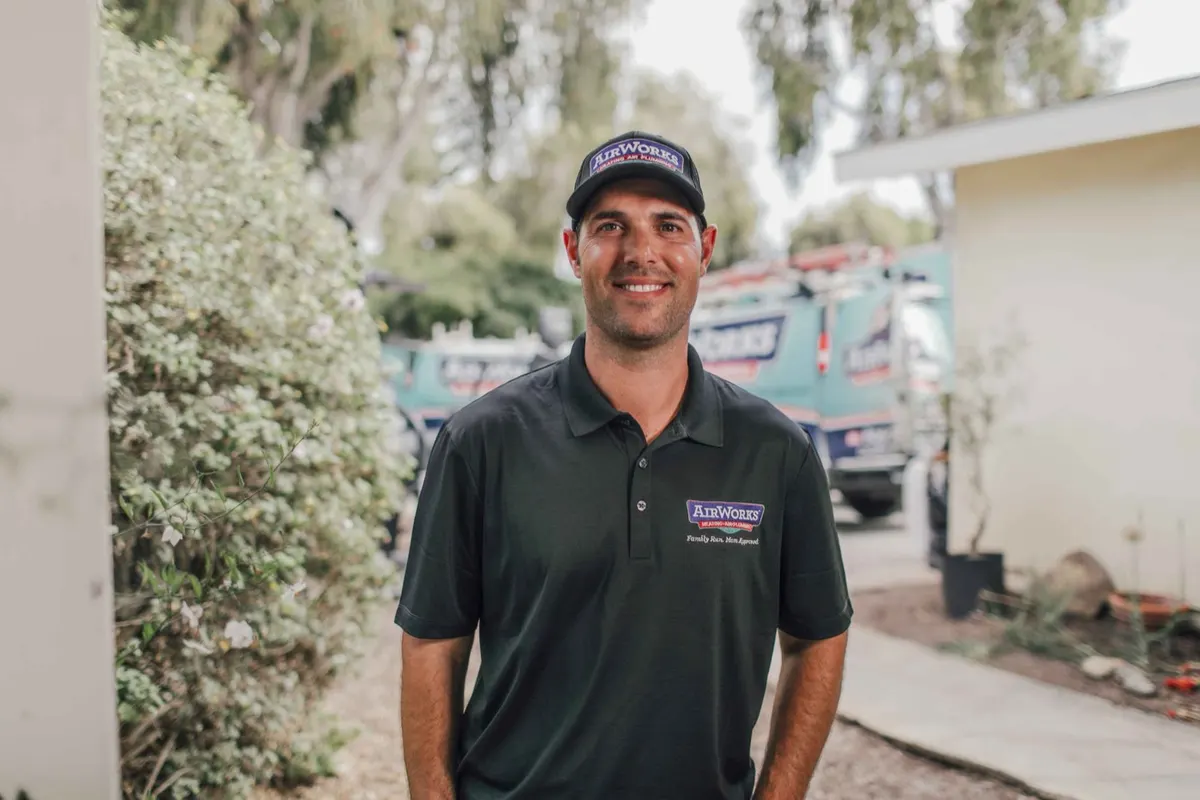
Kevin Allen
Co-Founder & Service Lead
Co-founded AirWorks in 2010 and has worked in Ventura County HVAC since 2002. Leads the service and installation crews — and the fix-what's-actually-broken ethic the company was built on.
Need Help?
Contact us today to discuss your needs. Our team is ready to help.
Related Articles
Options Comparisons for Homeowners: Heat Pump vs. Gas Furnace
Read Options Comparisons for Homeowners: Heat Pump vs. Gas FurnaceWhy Is Your Air Conditioner Hissing When Off? Causes and Diagnostics
Read Why Is Your Air Conditioner Hissing When Off? Causes and DiagnosticsHeat Pump vs. Gas Furnace: Technical Options Comparisons for Homeowners
Read Heat Pump vs. Gas Furnace: Technical Options Comparisons for HomeownersReady to Get Started?
Whether you need a repair, maintenance, or a new installation, our expert team is here to help.