Detailed Guide to HVAC Financing Without Upfront Costs
Kevin Allen
Co-Founder & Service Lead

Making Your New HVAC System Affordable
How to pay for a new HVAC system without upfront costs is possible through several proven financing methods:
- Flexible Payment Plans – Partner with HVAC contractors who offer third-party financing with no money down and fixed monthly payments over 3-10 years
- 0% Interest Promotions – Qualify for "same as cash" offers lasting 12-60 months if you have good credit and pay off the balance during the promotional period
- Personal Loans – Apply directly to banks or credit unions for unsecured loans with fixed interest rates
- Home Equity Financing – Borrow against your home's value through a home equity loan or HELOC for lower rates and longer terms
- Lease-to-Own Programs – Get your system installed immediately with zero upfront cost, then own it at the end of the lease term
When your air conditioner fails during a scorching Ventura County summer or your heater gives out on a cold winter night, the last thing you need is the stress of finding a large sum of money upfront. The reality is that most homeowners don't have the cash sitting around to cover a major HVAC replacement—and they shouldn't have to delay their family's comfort because of it. Fortunately, the HVAC industry has evolved to offer multiple financing solutions designed specifically to spread costs over time while getting you the reliable heating and cooling you need right now.
Many homeowners in our community face the same challenge: their system breaks down unexpectedly, they know replacement is the smart long-term choice, but the upfront investment feels overwhelming. The good news is that with the right financing approach, you can install a new, energy-efficient HVAC system today and manage the cost through affordable monthly payments that fit your budget. Whether you're looking to preserve your emergency savings, take advantage of a high-efficiency upgrade that will lower your energy bills, or simply need immediate relief from uncomfortable indoor temperatures, understanding your financing options puts you in control.
Ready to explore your options for HVAC installation in Thousand Oaks, CA? When you're ready to move forward, schedule your free consultation with our team to discuss the best financing solution for your home.
As co-founder of AirWorks Heating Air Plumbing, I've helped hundreds of Ventura County families steer how to pay for a new HVAC system without upfront costs, and I understand the financial concerns that come with major home comfort decisions. My mission is to ensure every homeowner has access to reliable heating and cooling through transparent financing options that prioritize education over sales pressure.

Exploring Your Primary HVAC Financing Options
When faced with the need for a new HVAC system, the thought of a significant upfront expense can be daunting. However, there are numerous financing options available that allow you to enjoy immediate comfort without draining your savings. These options are designed to make high-quality heating and cooling accessible, ensuring your home remains a sanctuary regardless of the season. Let's dig into the primary ways you can finance a new HVAC system without upfront costs.
Flexible Payment Plans Through Your HVAC Provider
One of the most convenient and popular ways to finance a new HVAC system is through flexible payment plans offered directly by your HVAC provider, like us. Many reputable HVAC companies partner with third-party lenders to provide in-house financing solutions. These plans allow you to break the total cost of a new heating and cooling unit into manageable monthly payments that fit your budget.
The advantages of using a contractor's financing plan are significant. First, there's the convenience: you're already working with us for your HVAC needs, so applying for financing through us streamlines the entire process. The approval process is often quick and user-friendly, with many programs designed for fast decisions, sometimes within minutes, so you can address heating or cooling emergencies without delay. Once approved, your financing terms and monthly payment options appear almost instantly.
These plans typically cover the full cost of the job, including the system itself, installation, labor, and even extras like extended warranties or maintenance plans. Loan terms generally range from 3 to 10 years, offering flexibility in how long you spread out your payments. Our goal is to make the process as straightforward as possible: reviewing loan options, applying for credit, receiving approval, scheduling your HVAC Installation Thousand Oaks CA, and commencing monthly payments. This means you get your system running without paying a cent today, and enjoy predictable monthly payments that include ongoing service and support.
Special 0% Interest "Same as Cash" Offers
Who doesn't love the idea of paying no interest? Many HVAC dealers and manufacturers offer special financing promotions, including 0% interest plans for a set period. These are often advertised as "same as cash" offers, allowing you to spread payments over a fixed period—typically 6, 12, 18, 24, 36, 48, or even 60 months—without paying any interest, as long as the balance is paid off in full by the end of the promotional period.
These 0% interest financing options are usually available to homeowners with good or excellent credit. They can be incredibly attractive, as they allow you to get a new, high-efficiency system installed immediately and pay it off over time without any additional cost for borrowing money.
However, it's crucial to understand the terms of these offers. If you don't pay off the entire balance before the promotional period ends, you could be hit with retroactive interest charges. This means that interest, sometimes at a very high APR, could be applied to the original purchase amount from the very first day. So, while these offers are fantastic for saving money, they require careful budgeting and a commitment to pay off the balance on time.
Personal Loans from Banks and Credit Unions
If you prefer to keep your financing separate from your HVAC provider, a personal loan from a bank, local credit union, or online lender is another viable option. Personal loans are typically unsecured, meaning they don't require collateral like your home.
Interest rates for personal loans can vary widely depending on your credit score, income, and relationship with the lender. Applying for a personal loan gives you the flexibility to choose your lender and compare offers to find the best rates and terms. The loan amount can often cover the full cost of an HVAC replacement. Once approved, you receive a lump sum of cash, which you then use to pay for your HVAC system, and you make fixed monthly payments directly to the lender.
Using Home Equity: Loans and HELOCs
For homeowners who have built up equity in their property, a home equity loan or a Home Equity Line of Credit (HELOC) can be an excellent way to finance an HVAC upgrade. Home equity is the amount your property is currently worth, minus what you still owe on your mortgage.
A home equity loan provides a lump sum of cash with a fixed interest rate and repayment schedule, similar to a personal loan but secured by your home. A HELOC, on the other hand, acts more like a credit card, allowing you to borrow funds as needed up to a certain limit, with a variable interest rate.
Because these loans are secured by your property, they usually offer lower interest rates than unsecured options, depending on market conditions and your credit. An added benefit is that the interest on home equity loans and HELOCs may be tax-deductible if the funds are used for home improvements, which can further reduce your overall cost. Always consult with a tax professional regarding the deduction of home equity interest for your specific situation.
While home equity financing can offer competitive rates, your home serves as collateral. This means defaulting on the loan could put your home at risk. The application process can also be more involved and take longer than other financing methods, sometimes 60 days or more to close. Typically, you'll need to have sufficient equity in your home to qualify for these options.
Lease-to-Own Programs and Renting vs. Owning
Lease-to-own programs and renting an HVAC system are distinct options that allow you to acquire a new system without an upfront payment, but they come with different implications regarding ownership and long-term costs.
How Lease-to-Own Programs Work:A lease-to-own program means you get a new HVAC system installed with zero upfront cost, and you make predictable monthly payments. The key difference from a rental is that at the end of the lease term, you have the option to own the system. Many of these programs are designed to be comprehensive, often including ongoing service, support, expert repairs, annual maintenance, and even extended parts and labor warranties within your monthly payments. They typically offer transparent buy-out options with a clear schedule and no hidden fees, providing peace of mind and long-term value.
Renting an HVAC System:Renting, or a rental agreement, is a model where you pay a monthly fee for the use of the HVAC equipment, but you never actually own it. While this might seem hassle-free due to included installation, maintenance, and repairs, it can come with significant drawbacks:
- No Ownership Equity: You pay for years but never build equity in the equipment.
- Potential for High Total Costs: The cumulative rental payments over the system's lifespan can far exceed the actual purchase price.
- Hidden Fees and Increases: Rental agreements can sometimes include hidden financing fees, administrative fees, or annual payment increases.
- Hefty Buyout Fees: If you decide to buy out the system, the fees can be substantial.
- Property Liens: In some cases, rental companies have placed liens or security interests on homes without the owners’ knowledge, which can cause problems if you try to sell or refinance your home. It's important to be aware of these potential risks.
Pros and Cons of Leasing/Renting:
| Feature | Lease-to-Own (Pros) | Renting (Pros) | Lease-to-Own (Cons) | Renting (Cons) |
|---|---|---|---|---|
| Upfront Cost | Zero | Zero | Higher total cost than outright purchase | Highest total cost; never own the equipment |
| Ownership | Option to own at end of term | Never own | Not immediate ownership | No equity built |
| Maintenance | Often included (annual service, repairs, warranties) | Often included (installation, maintenance, repairs) | Fixed payments may be higher to cover inclusions | Potential for hidden fees, annual payment increases, hefty buyout fees, and property liens. |
| Flexibility | Transparent buyout options | Limited, tied to contract | Tied to contract length | Difficult to terminate, can impact home sale/refinance |
| Predictability | Low, predictable monthly payments | Low, predictable monthly payments (initially) | Payments can increase annually; unexpected buyout fees | |
| Peace of Mind | Comprehensive coverage for service and repairs | Maintenance and repairs handled | Long-term financial uncertainty, potential for being locked into outdated equipment |
While both options avoid upfront costs, lease-to-own programs typically offer a clearer path to ownership and more transparent terms compared to many rental agreements, which can often lead to long-term debt without ever truly owning the equipment.
How to Pay for a New HVAC System Without Upfront Costs: The Application Process
The thought of navigating financing applications can feel overwhelming, but we're here to tell you it's often a quick and user-friendly process, especially when working with us. We understand that when your HVAC system needs replacement, you want a solution fast. Here’s a step-by-step guide to applying for HVAC financing without upfront costs.
Step 1: Gathering Required Information
Before you begin, gathering a few key pieces of information will make the application process much smoother and faster. Lenders typically require basic personal and financial information to assess your creditworthiness. This usually includes:
- Personal Details: Your full legal name, current address, date of birth, and Social Security Number.
- Contact Information: Phone number and email address.
- Employment Information: Your employer's name, address, and your job title.
- Proof of Income: Recent pay stubs, W-2s, or tax returns to verify your income.
- Financial Information: Details about your banking accounts, and potentially other debts or assets.
Having these documents ready will ensure you can complete the application efficiently.
Step 2: Submitting the Application and Getting Approved
Once you have your information prepared, the next step is to submit your application. This can often be done online, directly through our website or via a secure portal with our financing partners. Many programs are designed to be quick and user-friendly, with instant pre-approval for many applicants.
The application typically involves a credit check. It's important to understand the difference between a "soft" and "hard" credit inquiry:
- Soft Credit Check: Often used for pre-qualification or to check your rates, a soft inquiry doesn't impact your credit score. Many initial financing applications may start with a soft check.
- Hard Credit Check: This is a more thorough review of your credit history, usually performed when you formally apply for a loan. A hard inquiry can temporarily lower your credit score by a few points, but the impact is usually minimal and short-lived.
The approval process can take anywhere from a few minutes to a couple of days, depending on the lender and the complexity of your financial situation. If you're approved, your financing terms and monthly payment options will appear almost instantly, allowing you to move forward without delay.
Step 3: Reviewing Terms and Finalizing the Installation
After receiving approval, it's crucial to carefully review the terms of your loan agreement. This includes understanding the:
- Interest Rate (APR): The annual percentage rate you will pay on the borrowed amount.
- Loan Term: The total duration over which you will repay the loan (e.g., 36, 60, 120 months).
- Monthly Payment: The exact amount you will owe each month.
- Total Cost of the Loan: This includes the principal amount plus all interest and fees over the life of the loan.
Make sure all your questions are answered before signing. Once you're comfortable with the terms, you can finalize the financing agreement. Then, it's time to schedule your HVAC installation! Our team will work with you to find a convenient time to get your new system up and running, ensuring your home is comfortable and efficient. We also offer comprehensive services, including regular HVAC Tune-Up Thousand Oaks CA, to keep your new system performing optimally for years to come.
Reducing the Total Cost: Rebates, Tax Credits, and Special Programs
While financing helps you manage the upfront cost of a new HVAC system, don't forget about other avenues that can significantly reduce the overall expense. Rebates, tax credits, and special assistance programs can provide significant savings, making your HVAC upgrade even more affordable in the long run.
Tapping into Federal and State Incentives
Both the federal government and the State of California offer incentives to encourage homeowners to invest in energy-efficient home improvements, including HVAC systems.
- Federal Tax Credits: The Energy Efficient Home Improvement Credit allows homeowners to claim a percentage of their system's cost on their taxes for qualifying equipment. This includes credits for certain heat pumps, central AC units, and furnaces. These credits directly reduce your tax liability, effectively lowering the net cost of your new system. Check the official IRS guidelines for the most current information.
- State Energy Programs: California actively promotes energy efficiency. You should always check for state-specific energy-efficiency loan programs or rebates that might be available. These programs often provide incentives for installing high-efficiency equipment.
- Local Utility Rebates: Your local utility provider may offer rebates for installing certain energy-efficient HVAC equipment. These can provide a direct rebate or a credit on your energy bill. It's always a good idea to contact your local utility company for the most up-to-date information on their offerings.
We can help you identify eligible systems and guide you toward available rebates and tax credits, further lowering your out-of-pocket expenses.
Special Assistance Programs for Qualifying Households
For low-income households or specific demographics, additional support may be available to help cover the cost of essential HVAC repairs or replacements.
- Low-Income Home Energy Assistance Program (LIHEAP): The Federal Low Income Home Energy Assistance Program (LIHEAP) helps low-income Americans with heating and cooling expenses. Beyond helping with energy bills, LIHEAP offices can also assist consumers in finding resources to help pay for the cost of replacing furnaces and air conditioners, especially in emergency situations.
- Senior Citizen Grants and Loans: If you’re 62 or older, the United States Department of Agriculture (USDA) offers income-based grants and long-term, low-interest loans for various home improvements, including HVAC purchase and repair. These programs are designed to help seniors maintain safe and comfortable living conditions.
- Military and Veteran Financial Aid: Military aid societies, such as the American Red Cross, work with partner organizations to assist active-duty military and veterans with the cost of HVAC repair and replacement. You can call 877-272-7337, or submit an application online to find out if you qualify for assistance. The Veteran Loan Center may also help finance energy-efficient appliances into a mortgage.
- Philanthropic Organizations: Some philanthropic organizations offer one-time grants for emergency expenses with essential appliances. For instance, Modest Needs offers grants to repair broken systems or purchase window or portable air conditioning units.
Choosing the Right Plan: Key Factors and Potential Risks
When considering how to pay for a new HVAC system without upfront costs, making an informed decision is paramount. The right financing plan should align with your financial situation, comfort needs, and long-term goals.
How to pay for a new HVAC system without upfront costs by comparing key loan factors
To make the best choice, we encourage you to look beyond just the monthly payment and compare several key factors:
- Interest Rates (APR): This is the cost of borrowing money. Lower APRs mean less money paid over the life of the loan.
- Loan Terms: This refers to the length of time you have to repay the loan. Shorter terms mean higher monthly payments but less interest paid overall. Longer terms mean lower monthly payments but more interest over time. HVAC financing plans typically range from 3 to 10 years.
- Monthly Payments: Ensure the monthly payment fits comfortably within your budget without sacrificing financial stability.
- Total Cost of the Loan: Always calculate the total amount you will pay over the life of the loan, including principal and all interest and fees. This gives you the true cost of financing.
- Down Payment Requirements: Many HVAC financing options offer no-money-down plans, meaning you don’t have to pay anything upfront. However, some loans might require a down payment.
- Lender Reputation and Flexibility: Choose a reputable lender and look for plans that allow for early payoff without penalties, or offer other flexible terms.
| Financing Option | Interest Rate (APR) | Term Length | Best Use Case - - - - - - - - 's best to choose a plan that aligns with your budget and long-term financial goals. By carefully considering these factors, you can confidently select a financing option that makes your new HVAC system both affordable and a smart investment in your home's comfort and value.
About the Author
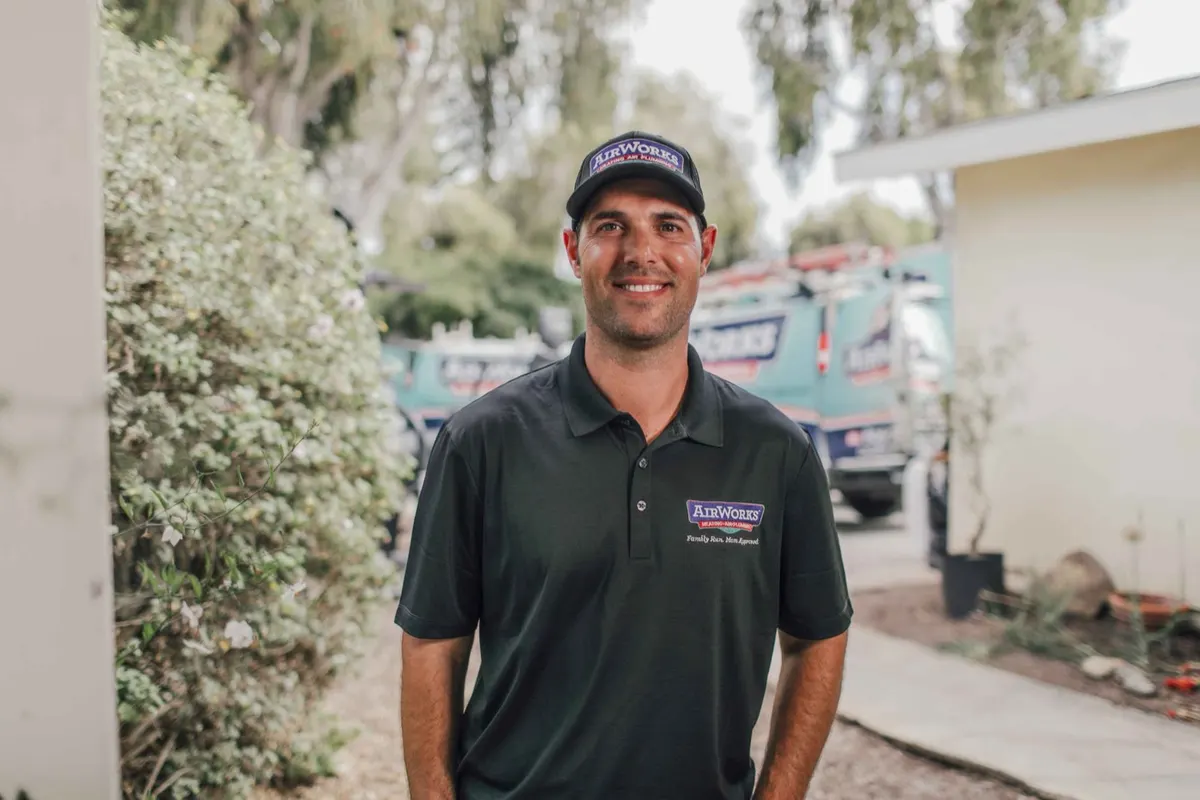
Kevin Allen
Co-Founder & Service Lead
Co-founded AirWorks in 2010 and has worked in Ventura County HVAC since 2002. Leads the service and installation crews — and the fix-what's-actually-broken ethic the company was built on.
Need Help?
Contact us today to discuss your needs. Our team is ready to help.
Related Articles
Options Comparisons for Homeowners: Heat Pump vs. Gas Furnace
Read Options Comparisons for Homeowners: Heat Pump vs. Gas FurnaceWhy Is Your Air Conditioner Hissing When Off? Causes and Diagnostics
Read Why Is Your Air Conditioner Hissing When Off? Causes and DiagnosticsHeat Pump vs. Gas Furnace: Technical Options Comparisons for Homeowners
Read Heat Pump vs. Gas Furnace: Technical Options Comparisons for HomeownersReady to Get Started?
Whether you need a repair, maintenance, or a new installation, our expert team is here to help.